Cor Unum Abbey

Marketplace Monasticism … How to Live in a Downtown Abbey

  • About
  • July 9 – Sacred Simplicity

Day Ten – The Coronation Oaths

Posted by Cor Unum Abbey on May 11, 2013
Posted in: Uncategorized. Tagged: Coronation Oaths, promises, Queen Elizabeth II. Leave a comment

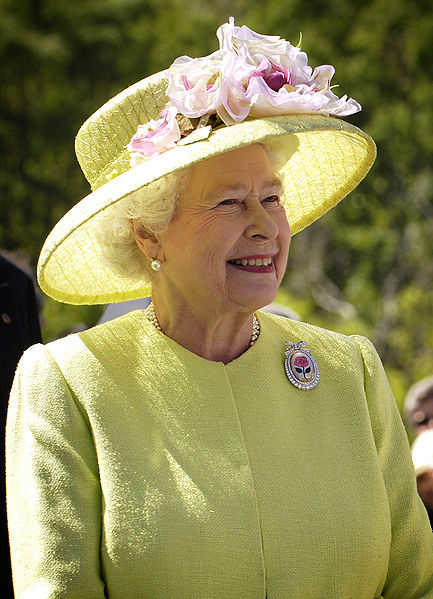
433px-Elizabeth_II_greets_NASA_GSFC_employees,_May_8,_2007_edit


         Brian Barker made note that the atmosphere in the Abbey had changed palpably.  Now those in attendance were participants.  The cry had gone up to heaven:  “God save Queen Elizabeth!” Mr. Barker wrote too, that what he saw was indescribable.  He recorded the sights and sounds and even the nuances of that day, but we believe him when he indicates . . . one would have had to “be there” to experience sanctity and the full impact of this God/man/monarch moment.  We, however, are not estranged from the sanctity of a high and spiritual vocation.  We are called to bear the image of Christ to the world around us, to be loved by God with the very same love He has for His Son.  (John 15:9)

Elizabeth had returned to be seated in her Chair of Estate, and now she would have administered to her the oaths for which she had come.

“Madam, is Your Majesty willing to take the Oath?”

“I am willing.”

Her part was to “solemnly promise and swear” to govern as far as her rightful influence reigned, according to the “respective laws and customs” of her Kingdom, the Commonwealth, her Possessions, and Territories.

“I solemnly promise so to do,” she answered.

Can this swearing of oaths have any touch upon our lives?  We know that it can.  We promise in marriage, and with that promise comes the obligations of love and honor and the unspoken but patently implied promise to raise children as a credit to those vows.  We sign contracts when we start new jobs.  The military enforces oaths that bind its members to separations and deprivations and even confrontation with death, for the purposes of the service of the nation.

Some of the most prestigious jobs come with the most binding oaths.  We may envy those who hold high positions in government, law, medicine, emergency services, and science, but if they live up to their oaths, they are not their own, to do as they please, unless they please and study to do well.

Here is an interesting vow, taken of old by practitioners of medicine, the ancient Hippocratic oath.  After swearing by several gods and goddesses, and making them witness, the oath began by accepting one’s teachers as one’s own parents, and then:

To apply dietetic measure and keep patients from harm and injustice

         To give no deadly drug to anybody if asked for it, nor make a suggestion to that effect, nor to give any woman an abortive remedy; to guard in purity and holiness this life and art.

         Never to use the knife, but to defer to surgeons.

         To visit houses for the benefit of the sick, remaining free from all intentional injustice and all mischief particularly sexual relations with both male and female, slaves or free.

         Anything seen or heard in the course in regard to the life of men, which on no account must be spread abroad, “I will keep to myself, holding such things shameful to be spoken about.”

         The oath ends with a petition for the enjoyment of life and art, honor and fame if the oath is kept, and if not, for the opposite.

         There is an altered form of this oath that is taken by 98% of American medical students, without legal obligation.

***

         The Archbishop next asked, “Will you to your power cause Law and Justice in Mercy, to be executed in all your judgments.”

“I will.”  When a man broke into the Palace and appeared in her Majesty’s bedroom, in light of his mental condition, the charges were dropped.  That was only a most public demonstration of royal mercy.

The British sovereign is sworn to maintain the Protestant Reformed Religion established by law and to uphold all rights and privileges that pertain to the clergy.  At one time a necessary precaution, there are those who suppose this centuries-old vow will not survive the next coronation, but Elizabeth has been both a guarded the Christian faith and welcomed others under its protection.  She was asked, “Will you maintain and preserve inviolably the settlement of the Church of England, and the doctrine, worship, discipline, and government thereof, as by law established …”

         “I will,” was her answer.  She has also given herself to the task of healing the wounds between Protestants and Catholics in both Great Britain and Ireland.  She is and in truth has been, the Sovereign of the United Kingdom.  Vows are delicate things, with bands of steel.  The best vows keep us more than we keep them.

Many of us, however, made no vows on our way to faith in the Lord Jesus Christ, and have made few if any since we have been here!  Yet, as He said, it is only necessary for us to let our “Yes,” be yes and our “No,” be no.  He takes us at our word.  He takes our decisions seriously.  He does us the tremendous honor of trusting that we mean what we say.  This is a glorious thing, for He knows our weaknesses, and He sees every turning, even the ones that are hidden in our hearts.

The whole world attended upon Elizabeth’s vows as television entered its glory days, but ours are attended by angels, if we will make them.

“I will give thee thanks forever …” (David to the Lord, Psalm 52:9)

“I will not be afraid; What can man do unto me?” (Psalm 56:11)

“I will bless Thee while I live.”  (Psalm 63:4)

We can say with others,

“All things are lawful for me; but I will not be brought under the power of any.”  (Paul, 1 Corinthians 6:12)

We can turn instructions and commandments into affirmation:

“I will love you with all my heart and soul and mind and strength, and my neighbor as myself!”  (Matthew 10:27, 28)

We sometimes exercise an unworthy timidity.  We look, for instance, at those words in Matthew, chapter 10, we recognize that our love for God is not whole in mind or strength or soul or heart, it isn’t what we wish it was, and so that God won’t smite us, we make no declaration at all.  Having made no firm commitment, we drift along hoping that a blaze of faith or hope or peace will radiate us one day.

God takes us at our Word, and He sends His Word and His Spirit to bring our words to pass.  “I will bless the Lord at all times; His praise shall continually be in my mouth!  My soul shall make her boast in the Lord … the humble will hear of it and be glad!”  We may speak as those who determine it shall be so, and God in His faithfulness will make it so, if we will not faint or turn back

We may make and preserve the oaths of our crowning daily.  As surely as we are crowned with loving kindness and compassion, we may undertake to do unto others as God has done unto us!

The Queen has done as she spoke, and it has been done because she spoke.

public domain, NASA photo
Day Nine – King Edward’s Chair

Posted by Cor Unum Abbey on May 10, 2013
Posted in: "Dieu et Mon Droit", devotional material, personal monasticism, Spiritual disciplines, The Coronation of Elizabeth II. Tagged: Consent and Recognition, Coronation of Elizabeth II, St. Edward's Chair. Leave a comment

Image

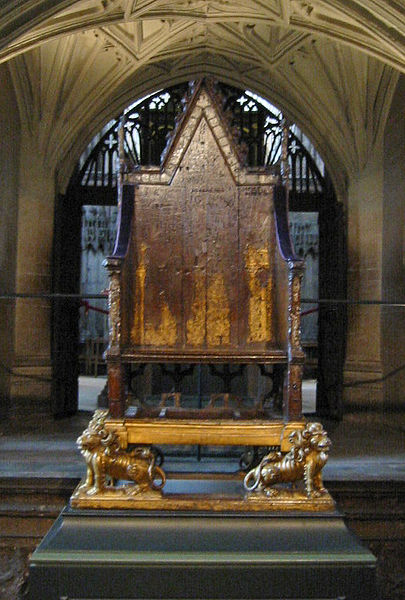
King Edward’s Chair would “Inthrone” the Queen before the ceremony was over, but by consent and recognition, she was privileged to sit upon it.  Remember that something extraordinary was about to happen?  Queen Elizabeth was about to bow, and on this occasion, not before God alone.  She awaited the Recognition and Consent of the Church and of the Peers of the land.

“Sirs, I here present unto you Queen Elizabeth, your undoubted Queen, wherefore all you who are come this day to do your homage and service.  Are you willing to do the same?”  With a breath, the answer broke forth, “God Save Queen Elizabeth!”, and Elizabeth II bowed to the will of her peoples.

To the south, west, and north sides of the Cathedral, the same question and the same answer, and each time she bowed a small, regal acknowledgement that she was their Queen.  She would never bow before them again, nor to anyone else.

Elizabeth was Queen by the Consent of her government and thus her peoples, and by the peers, the members of the five degrees of nobility, who saluted Her Majesty with their blessing.  These were not invited to the Coronation – they were summoned!  They were required to attend to give their support and their blessing … “God Save the Queen!”  She acquiesced to a place so high that she would bow only before God from that day forward.

Much is made at times, between churches and nations, over the issues of bowing, but much more to the point for us is this: is our “majesty” recognized?  Elizabeth has humbled herself to the role her government gives her, to a love for people from all walks of life, to her royal inheritance, and to the service of the nations and lands that acknowledge her as their Monarch.  That is a template we could use in our own lives, governed as we must be by the Word and the Spirit of God.

Archbishop Fisher taught that when a believing monarch is crowned on the earth, he or she is meant to exemplify the royalty of life in Christ, within a recognized sphere of influence.  In that regard, “we” have everything in common with “them.”  Those who reign over nations in the Name of the Lord are doing what each of us must do: having dominion only as far, but fully as far, as it is given in the scope of an individual and personal vocations.  Their influence is, in fact, greatly limited and curtailed by rule of law; ours is much more sovereign, within our homes and often on the job.

We do not have a good relationship with this terminology!  Reigning!  Dominion!  Sovereignty! – what words shall we use to indicate that there are some things in life that depend upon a little healthy oversight and authority?  Let’s beware that, not using the words, we do not fail to take up the fullness of our responsibilities.

“Sovereignty” is all around us, and for the most part we want it and respect it.  We have little use for the police officer who would direct traffic in a busy intersection with placating suggestions.  When it’s our turn to move, we want to know he has all other traffic at a standstill!  At the wedding altar again, both parties want to trust that the other has “dominion” over their own decisions, to keep the vows they are making!

The truly successful man or woman, the one who reigns so well that everyone succeeds when they follow his or her lead, is valuable and rare.  What’s more, neither is apt to say to their son,

“Hey, will you sit down in the buggy, please?  I want you to sit down, now, okay?  Come on, I already told you twice!  Why won’t you sit down for Daddy/Mommy?  There you go … don’t make me mad, now … thanks, Buddy!”


Oh it is a wonderful thing to consent to be “bossed,” to learn to obey, to recognize God-given, God-ordained authority and to go and do as one has been told by the one who is in charge!  It is a wonderful thing, too, to take up the mantle of the authority we’ve been given, to hang up our towels, put the lid on the toothpaste, bring our trash cans in at night, to bring up happy and obedient children, and give a day’s work for a day’s pay.  It makes God look good when we use the authority we have been given to break a bad habit.  Many are the areas where we must recognize the work of the Holy Spirit in our lives and consent to be conformed to the imagine of Jesus Christ.

The Roman centurion knew what it was to have authority and to be under authority, and his understanding gained for him not only the healing of a much-loved servant, but also some of the highest praise Jesus ever spoke.

Call it what we will, our lives have an inherent majesty when we humbly accept the authority that is ours.  The neglect of sovereignty can be as devastating as its misuse, as history makes plain.  Nearly all in a group of adults around the table will be able to tell the story of a no-nonsense parent or coach or teacher or grandparent who demanded respect and bequeathed a healthy portion of self-respect, someone who “bossed” us, made sure we did as we were told, and brought out the best in us.  We gave our consent, and years later we recognize them as having had great influence for good in our lives.

May God grant that we become willing and faithful in the little things, in all the things, that belong to our own sovereignty.  May we be dedicated keepers of the faith, and of the vineyard where we are called to labor, in authority and under authority, recognized for our rule over our tongues and habits, a people to Whom God’s consent has been given that we may become the Sons of God.  (John 1:12)

St. Edward’s Chair, by permission

Day Eight – Dieu et Mon Droit (God is My Right)

Posted by Cor Unum Abbey on May 9, 2013
Posted in: "Dieu et Mon Droit", devotional material, personal monasticism, Spiritual disciplines, The Coronation of Elizabeth II. Tagged: Queen Elizabeth II, St. Edward's Chair. Leave a comment

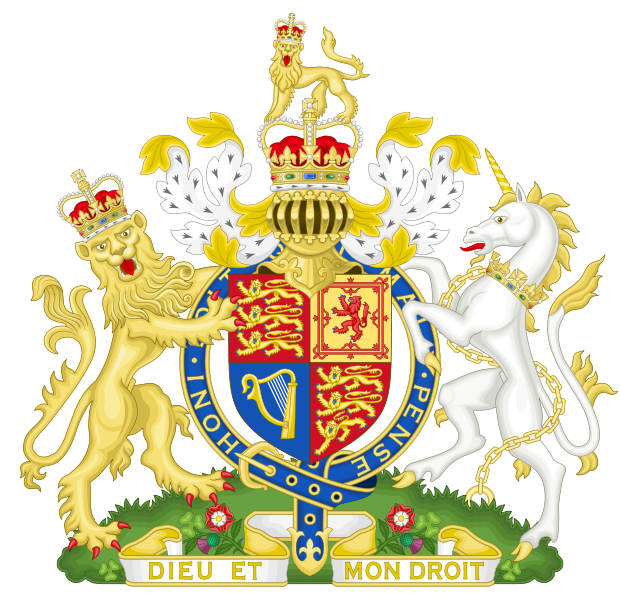
       Coat of Arms

Voices and trumpets are stilled.  All the articles of Regalia are in place.  Elizabeth rises from prayer to stand next to St. Edward’s Throne, as a groom might stand at the altar, waiting for his bride.  In this case, the Chair awaited Her Majesty.  She was soon to be “lifted up” to the seat of consecrated monarchy.  She would never sit in this chair again in her life.

Archbishop Fisher had spent the month of April preparing a book of devotional material for Her Majesty’s use, that he might highlight for her the spiritual glories and the temporal duties that her Coronation Ceremony would seal upon her future.  In the last weeks before Coronation Day, he was filling a busy schedule, speaking and preaching, calling the people of the nation not only to the joy of the event, but to the holy significance of it.  Despite grumblings from time to time, Britain is an exuberant monarchy.  In St. Paul’s Cathedral on the evening of Trinity Sunday, only three days before the Coronation, the Archbishop spoke these words:

“The Queen knows, and we too must understand, that all the music and colour and pageantry of that great solemnity is not a piece of glorious humanism, nor a display of boastful nationalism.  In the Service of her consecration, coronation, and Communion the Queen comes, and takes us with her, in to the presence, of the living God.”

vvvvv

“ . . . the Queen comes, and takes us with her, in to the presence of the living God.”  This is just what we are privileged to do!  When we walk with God, when we are filled with His Spirit, others have to be with God when they are with us!  O Lord God!  Grant that our eyes may be opened to see how great this consecration is!

“Consecration . . . coronation . . . and Communion,” were the elements of the Service that the Archbishop highlighted, and all were brought into focus. Although we do but seldom give attention to the royal diadems we wear and the crowns laid up for us, much less the chair upon which we have been seated, each of those three elements of the ceremony has bearing in our lives.

Let’s return to the wedding analogy for a moment.

A bride at the altar is a woman when she comes through the door, but she is about to be made a “wife.”  She gives her consent to it.  She and the man who waits for her there both consent to the vows of marriage.  Those present will recognize them as something that they were not before they came. The minister or priest, by duly given authority, pronounces them, “husband and wife,” which before spoken, was not a true statement.

Now, “as long as they both shall live,” they are joined together in holy matrimony – their consent to be joined together in spiritual and civil union culminates in their recognition as married people.  Her Majesty’s government and noble peers had been summoned to speak their consent to her rightful place upon St. Edward’s Chair, and to recognize her as the next consecrated monarch of the realm.

By the consent of God Most High, we are made one with Him in His Son, Jesus Christ.  We are recognized in heaven to be the people of God, the sheep of His pasture, we are in Him the House not made with human hands, the place where His glory dwells, the Bride of Christ.  It won’t do for God to be Majesty and for us to be anarchists or apathetic, either one.

We are about to see something extraordinary.  Elizabeth was Queen because her peoples recognized her as Queen and Majesty.  Throughout Europe, monarchies and dynasties fell like houses of cards in the 1800’s and early 1900’s; when the people would not have a King, they did away with their “royals.”  These former monarchs fled, mostly to England.  A few have been restored, others have not; for many, they have pedigree, but no power, no peoples, no recognition and no consent to reign.

Interestingly, the children of the very brightest movie stars are not of interest to us the way royal children are.  Perhaps it is because the culture of monarchy is so ancient that it still stirs in the imagination, even when thrones are removed, or perhaps, when God ordains a royal family, by the prayers of the Church and of the nation, they stay ordained.  Perhaps politics cannot undo ordaining!

Either way, we are about to see something that happened only once in Her Majesty’s life, as was true of many of the things that happened on June 2, 1953, in Westminster Abbey.  Something that had to happen before she could take her place on St. Edward’s ancient throne …

“Dieu et Mon Droit: – “God is My Right” …Royal Arms

Sodacan, by permission

Day Seven – “Vivat! Vivat!”

Posted by Cor Unum Abbey on May 8, 2013
Posted in: Uncategorized. Leave a comment

Image 

Oh, to be glad! To be glad when the alarm clock goes off, glad when it’s raining and when the sun is shining, and glad when we put our heads on our pillows at night.  Elizabeth II did not choose her life, and as we have said, it looked as though she might be forty or fifty years old before that life caught up with her, before the rigors of reigning would be hers. Instead, at the tender age of twenty-five, she was Queen

Whether we are entering our twenties or leaving our seventies, we may be GLAD that majesty has come to us. Elizabeth’s came through birth and through death, and so has ours.

She entered the nave on that coronation day, and all the work of architects and carpenters and designers had turned it into a stage, with golden carpet and a raised dais for the throne. A team of medieval producers knew that people would want to SEE her, and so it has been for these many years since.

With a precision of timing that would have done credit to the most exacting military parade, the choir was proclaiming, “Vivat! Vivat Regina Elizabetha! Vivat! Vivat! Vivat!”, and the sound of their exclamation was as close to celestial as anything that can be heard on earth.  It was tremendous!

“Live! Live, Queen Elizabeth! Live!” It was a song that was a shout, enough to make the hair on one’s neck stand up, even today, even seen and heard on the earliest of newsreel footage.

Her countenance was absolutely solemn all during the ceremony; she was there to be consecrated, and this was not Hollywood to those in attendance.  It was with tremendous reluctance that filming had been permitted.  Joy and gladness were all around her, but she was not on stage or on display, except as the Queen of her peoples.  They were crying out, from London to the Orkney Islands, and from Sri Lanka to Canada, the celebration was tremendous as they awaited the news.  “Vivat, Regina Elizabetha!”  Live!  Live!

Let us take a lesson from her today, and from the supremely glad cry from the choir: we are called to life!  May we, with her, embrace our duty with gladness and rejoice, for like Ezekial’s bones, Someone has spoken over us, “Live! Live!”

Into the Theater

 Rotherham Web


Day Six – The Diadem

Posted by Cor Unum Abbey on May 7, 2013
Posted in: devotional material, personal monasticism, Spiritual disciplines, The Coronation of Elizabeth II. Tagged: George IV Diadem; St. Edward's Crown; Coronation Day; Queen Elizabeth II; "Crowned with lovingkindness and compassion;" Psalm 103:4. Leave a comment

Image

With trumpets ringing, commanding attention, the fanfare of the ancient spectacle underway, Elizabeth stepped into the nave of Westminster Abbey, dressed according to the words of the Garter King of Arms.

“The QUEEN in Her Royal Robes of Crimson Velvet, hemmed with ermine and bordered with gold lace, wearing the Collar of the Garter; on her head a Diadem of Precious Stones.”

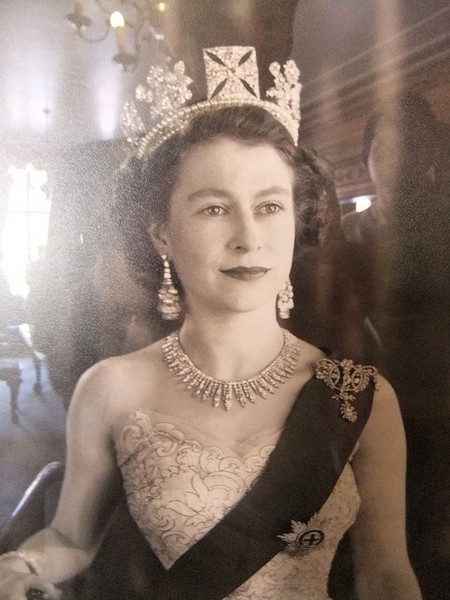
Elizabeth wore a crown on her way to be crowned!  Well, it was a diadem in fact, the George IV Diadem.  Her father had worn it before her.  She was Royal, and she was about to be Majesty in oath, anointing, and coronation.  It had been hers to choose her gown, but her position commanded the robes, the collar, and the diadem.

We, too, wear a diadem on our way to be crowned!  We may have read the words many times over:

    “He has crowned us with lovingkindness and compassion (Psalm 103:4.)”   We are royal by re-birth and, as temples of the Holy Spirit, majestic and holy, and we are crowned now, and we will be crowned.

Our heads are not bare!  We go about, in the city, in the country, alone and in a crowd, wearing the resplendent diadem of the Lord’s pleasure and of His favor.  Our God esteems loving kindness and compassion more than all the glittering treasures of earth, and with them He has crowned us.  He knows how to beautify earth and sky and sea, and you and me!

Is this diadem less glorious because it isn’t fashioned by human hands and diamond encrusted?  We know better.  The George IV Diadem bore over 1300 diamonds, totaling more than 300 karats, an enormous weight of stones!  It flashed and sparked in even the black and white film footage of the Day.  Ours is the honor, the symbol on our heads that His Majesty, our King, has chosen for us.  Kindness, honest, unpretentious kindness, is breathtakingly beautiful when one can find it.  Our God has adorned our heads with the most costly and brilliant corona of all: kindness and compassion. 

What is majesty to us is only what is expected of us.  It isn’t beyond us because, like everything else that sets us apart, it is of God.  We can love with the love with which we have been loved … and we can show kindness and compassion just as we have received them.

We are not at liberty to be beautified with spiritual splendors and then withhold them from others.  We are crowned because we are of the household of God.  Nothing is lacking.

Queen Elizabeth wore that glittering diadem into the Abbey, but it was the venerable St. Edward’s Crown that waited on the altar, and the altar sanctified it.  We will see more and more clearly that the Coronation ceremony was a “putting on” of Regalia and vestments that were freighted with royal and spiritual power because they came from the Scripture through the Church, to the State, and sometimes delivered back to the Church to bequeath them.  When Queen Elizabeth had opened her first Parliament, the Imperial Crown was present on a royal cushion, but not on her head, awaiting the Coronation Ceremony.

We are what we have been chosen to be, but it is not yet seen what we will be, neither on earth nor in heaven.  It will be of untold value to us if we will settle the issue of our majesty.  It is not inherent, but in Christ Jesus it is ours.

Diadems and tiaras, rare ones, beautiful pieces, some old and some new, were hers to wear during the year leading up to her Coronation, and she was privileged to wear them, but a crown waited in the wings (actually, in the Tower of London, under guard!)  She wore graciousness and kindness, wisdom and strength during that first year, waiting, but she never went out bare-headed.  Neither do we.

photograph taken:

Nottingham Council House, Wikipedia

Day Five – The Trumpets, Part Two

Posted by Cor Unum Abbey on May 6, 2013
Posted in: devotional material, personal monasticism, Spiritual disciplines, The Coronation of Elizabeth II. Tagged: Coronation, Elizabeth II; trumpet fanfare; Westminster Abbey. Leave a comment

Image

The trumpets!  What must it have been like for Elizabeth to hear them and know that their proclamation was for her?  What sober joy, like a splitting of the clouds of heaven!  We are attending her Coronation many decades later, and in print, but we hear them in our imaginations, and we know that as surely as she was called to wear a crown and receive scepters and an orb, we are called to bear the grace of Jesus Christ (1 Corinthians 1:4,) and to be resplendent with His light (2 Corinthians 4:6.)  These are not small things.

Do we say, “No, that’s not for me!” and shrink back from the burden that comes with “highness?”  Spirit of the Living God, may it never be!

From the time she entered the West Door, as she made her way up the 300-foot corridor, twelve minutes ticked past. When she reached the Theatre, where the Archbishop welcomed her into the sacred premises, she received his bow and knelt in prayer.  We have a much longer aisle to traverse, from our first faith in Jesus Christ to the day when His image will be perfected in us.  We walk in majesty, for we walk with God.

When the last offense of life has been overcome in forgiveness, when the last unkind words in our mouths have gone unspoken, when we close our eyes for the last time without any bitterness of soul or pall of regret, we will die a royal death.  We will die in our diadems.  Trumpets won’t be heard, at least not on earth, but royal highness will be there.  Against that day we will need swords and scepters and the sacred garments of humility, mercy, and kindness (Colossians 3:2.)  All this and more, and the herald of majesty as well!

“To him who is able to keep you from stumbling and to present you before his glorious presence without fault and with great joy – to the only God our Savior be glory, majesty, power and authority, through Jesus Christ our Lord, before all ages, now and forevermore!  Amen.”  (Jude 24, 25 NIV)

That is a herald of things present and things to come.

The trumpets that sounded for Elizabeth on her Coronation Day arrest our attention on the earth when we hear them!  More than trumpets, we will hear angels giving acclaim to the holiness of our God and Father.  Who can know what glories surround us even now, on the earth, each day that we live?  This must be true, because we walk with God!   Unseen majesty is still majestic, and we live and walk in the Presence of the King.  We have our being in him.  (Acts 17:28)  The First King.  The last King.  The King of Kings.

If we were to awaken each day and play Purcell’s trumpet fanfare, the one that was played for Queen Elizabeth, before we washed our faces, it would be paltry in terms of the heralds to come, but it would not be false. We are not “mere mortals” (Psalm 82:7 and 1 Corinthians 3:3)  Let trumpets sound and rocks cry out – He is Lord, and we are His Bride! 

Of all that had gone before Elizabeth on that day, looking upon all those assembled, wearing an incomparably ornate gown, having just exited a golden coach, the voice of those trumpets must have been both the most humbling and the most exalting moment she had known since her accession.  They called the nation and the world to the advent of her reign as a crowned Majesty.

To have one’s arrival, one’s very presence, announced in such a way, when music and drum roll and voices and even breathing stopped and were stilled, as every head turned and every heart beat faster, all for her sake – what could compare with it?

This will compare, and we will hear it:

“The seventh angel sounded his trumpet, and there were loud voices in heaven, which said, “The kingdom of the world has become the kingdom of our Lord and of his Christ, and he will reign for ever and ever.”  (Rev. 11:15)

         May we give ourselves today and every day that we live to keep our steps in the aisle that leads to this moment.  Amen, in the Name of the Lord.

Gerrit Dou, public domain – Trumpeter at a Banquet

The Windsor Sunday

Posted by Cor Unum Abbey on May 5, 2013
Posted in: Uncategorized. Tagged: Prince Phillip, Psalm 113, the Windsors in church. Leave a comment

Image

The Windsor family is in church every Sunday morning, and Cor Unum Abbey takes a day of rest.

Sometimes Prince Phillip reads the lesson, or now, one of the grown children.   Her Majesty has money in her purse for the offering … it is the only time she ever does carry cash!

May God bless your day and give you a very real sense of His very real Nearness, and with it, a blossoming reality, that waking or sleeping, you are as royal in Christ Jesus as ever you were lost without Him.

Praise the Lord!

Praise, O servants of the Lord,
Praise the name of the Lord!
 Blessed be the name of the Lord
From this time forth and forevermore!
 From the rising of the sun to its going down
The Lord’s name is to be praised.

 The Lord is high above all nations,
His glory above the heavens.
 Who is like the Lord our God,
Who dwells on high,
 Who humbles Himself to behold
The things that are in the heavens and in the earth?

 He raises the poor out of the dust,
And lifts the needy out of the ash heap,
 That He may seat him with princes—
With the princes of His people.
 He grants the barren woman a home,
Like a joyful mother of children.

Praise the Lord!

Psalm 113

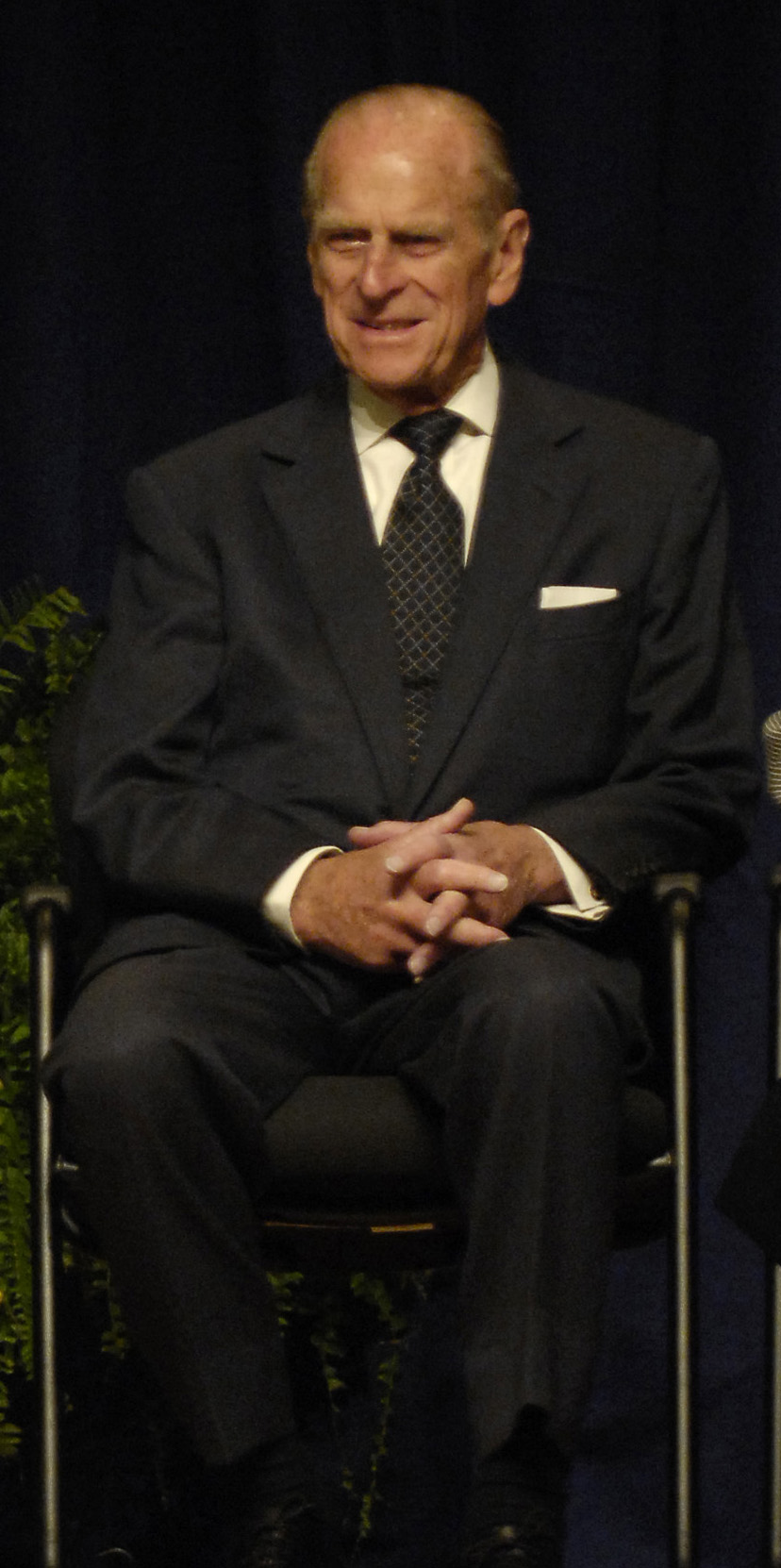
Prince Phillip

NASA PHOTO, public domain

Day Four – The Trumpets, Part One

Posted by Cor Unum Abbey on May 4, 2013
Posted in: devotional material, personal monasticism, Spiritual disciplines, The Coronation of Elizabeth II. Tagged: Armill, devotional material, Elizabeth the Queen Mother, George Marshall, George VI, Georges Bidault, Queen Mother, Westminster Abbey. Leave a comment

Image

Westminster Abbey had been filling up since very early in the morning, at the soggy, dripping, chilly break of day.  Some peers and peeresses, those who could attend with their coronets in hand, had brought sandwiches and sweeties hidden inside so that they might not miss “elevensies,” presumably.  It was a sensible use for their headgear until the moment when the Archbishop would place St. Edward’s crown on the head of Britain’s fortieth monarch. By then, their snacks would have to be consumed so they could cover their bared heads with the emblems of their own rank.

Hours later, the Royal guests began making their way up the long aisle, finding their places, along with the designated representatives of nations.  The Crown Prince of Norway came up the aisle, Prince George of Greece, General George Marshall of the United States and Georges Bidault of France, and His Royal Highness Prince Chula Chakrabongse of Thailand.  There were sultans and ambassadors and prime ministers and queens in attendance.

In the Sanctuary, the Regalia were being delivered from the Jerusalem Chamber.  These are the Coronation articles of royal and spiritual significance, from the Armill bracelets to St. Edward’s Crown; their names were “In the Program.”  Had the guests all gone home, had the cameras and lights all failed, the Regalia had to be present.

  The Princes and Princesses of the Blood Royal began their procession, followed by the arrival of the Queen Mother.  She was beloved of the British and the Commonwealth nations.  Ever at the side of her conscientious husband, together they had led the British people during the terrible war years.  She was always brimful of courage and unfeigned compassion.  She would arrive in those days on the scene of a bombed out building, stepping over rubble and seeking out the wounded and the grieving, the danger of a Blitzkrieg attack always present, and when the Palace was bombed, her response was, “now we can look the East End in the face.”  In their sorrow and devastation, the people were relieved by their Majesties’ nearness.  King George VI and his wife had done what they had been crowned to do, and they were loved for it.

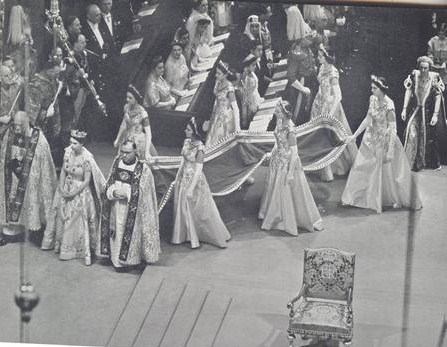
         This, now, was her daughter’s Coronation.  Brian Barker, member of the Departmental Coronation Committee and Gold Staff Commander, wrote that he saw the Queen Mother pause for a moment, as her Mistress of the Robes gathered up her long train, to glance at the empty, ruby-red Throne beside which she had sat at her husband’s crowning and her own; no one alive knew better than she the duties and the dedication to which Elizabeth would be bound.

         A long drum roll, majestic and momentous, reverberated against the marble walls, indicating that the Orders of Chivalry had begun their march, but spines had not yet been electrified as they were about to be.  The Knights of the Realm continued their advance, and then . . . the earthly manufacture of heaven’s own instrument . . . the silver trumpets of the heralds, began to cry Her Majesty’s arrival.  Everyone knew, with no mistaking, the young Queen was at the door.

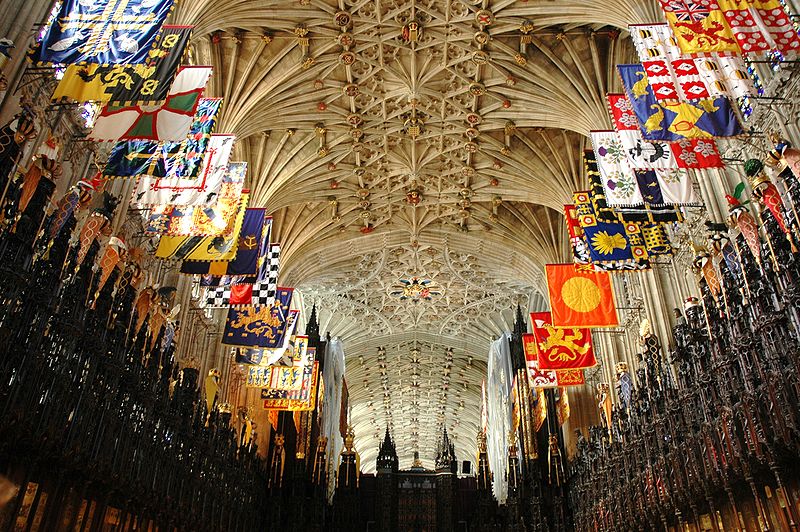
St. George’s Chapel, Windsor,

the heraldic banners

Josef Renalias

Day Three – The Accession, Part Two

Posted by Cor Unum Abbey on May 3, 2013
Posted in: Uncategorized. Tagged: Her Majesty, in her Garter Robes (Fox News), Queen Elizabeth II. Leave a comment

Image

The Accession Counsel had been working around the clock to have papers ready, heralds in place, all royal matters fully in accordance with Constitutional  directives, and  hundreds of ceremonial details brushed and polished for the Proclamation.  Her Majesty, Queen Elizabeth II, had returned to London, and from every city and village the Proclamation was read.  Voices rang out, “God Save the Queen!”

WHEREAS it has pleased Almighty God to call to His Mercy our late Sovereign Lord King George the Sixth of Blessed and Glorious memory, by whose Decease the Crown is solely and rightfully come to the High and Mighty Princess Elizabeth Alexandra Mary:


WE, therefore, the Lords Spiritual and Temporal of this Realm . . . do now hereby with one voice and Consent of Tongue and Heart publish and proclaim that the High and Mighty Princess Elizabeth Alexandra Mary is now, by the death of our late Sovereign of happy memory, become Queen Elizabeth the Second, by the Grace of God Queen of this Realm and of all Her other Realms and Territories, Head of the Commonwealth, Defender of the Faith . . .

Something splendid, royal, eternal, and with obligation has come “solely and rightfully” to us as well.  Each believer in Christ Jesus upon the earth owns the distinction of an individual vocation before God.  We have not been proclaimed “High and Mighty” (at least not since our precocious childhood!,) but we are The Elect of God, The Epistle of Christ, a Royal Priesthood, The Bride of Christ.  These are just a very few of the emblems we wear … they look different as titles and honors, don’t they?

Elizabeth’s government could not know or be certain, they only hoped, that she might maintain the blossoming strength of the damaged British Isles and beyond, and represent the unity and continuance her father had evoked.  So, too, for us when we accede to royal privilege.  Who can know whether or not we will further the Gospel of the Lord Jesus Christ?  Will we ascend to our accession?  Will we love mercy and hate dishonest gain?  Will we humble ourselves beneath the mighty hand of God and truly discover what Spirit we’re “of”?   God knows.

We know what we were, but we pay notoriously little heed to what we are.  Heaven and earth will rejoice if we will leave our feckless past behind us and come up as we are bid, up to the throne of grace, there to receive grace and mercy to help, for ourselves and for others.  Souls do hang in the balance.  By His grace may we begin now not to say “later.”  No matter the hour on the clock of history’s culmination, the night is far spent, the day is close at hand.

No abdication, by the mercies of Christ!  If we were to survey the realms that fall within our borders – our families, our jobs, our cities – and determine to care for people and nations in the love of God, to pray for them, and praying to believe God for an outcome not in keeping with their shortcomings … or our own … what might be the result?

As Elizabeth Alexandra Mary, of the House of Windsor, British Royal Family, has “the legal and constitutional prerogatives and practices associated with that status,”* shall we acknowledge those honors to which we have acceded in our Lord?  Let’s take them to heart during the days ahead.

We prayerfully, humbly, and joyfully receive the great honor of belonging to The House of Prayer, Which is the Lord’s.  Amen.

Leave a comment today, if you please … tell us … which title of majesty means the most to you?  “Sheep of His Pasture”?  “Friend of God?”  Share your “Garter Sash” with us … more on that to come!

*Wikipedia, House of Windsor


Day Two – The Accession, Part One

Posted by Cor Unum Abbey on May 2, 2013
Posted in: Uncategorized. Tagged: Elizabeth returning from Kenya, now Queen Elizabeth II. Leave a comment

Image


 “In the case of a will, it is necessary to prove the death of the one who made it, because a will is in force only when somebody has died; it never takes effect while the one who made it is living. (Hebrews 9:16, 17, NIV)

Elizabeth and Phillip were in Kenya when her father died. He had been recovering from surgery and illness, but had seemed to be regaining his strength.  Somewhere in the night, probably in the earliest hours of February 6, he took his last breath.  Far from home, unbeknownst to her or anyone else, Elizabeth’s next breath was that of a Monarch.

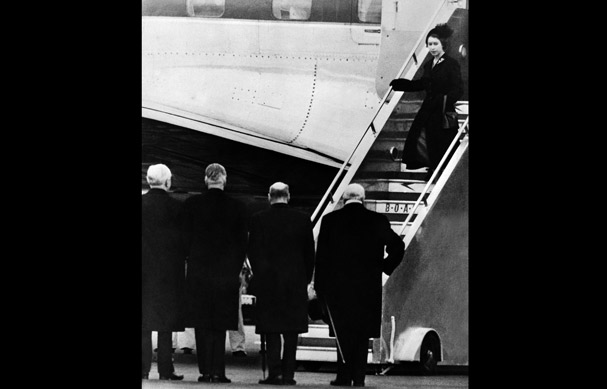
She flew home immediately, cutting short the tour she and Phillip had undertaken in his place.  That night the Accession Council met in London, setting in motion the events that would proclaim her reign throughout her kingdom, lands, and dominions all over the world, but Elizabeth was only then on her way to catch a jungle plane that would take her to the next stage of her sorrowful journey home.  She traveled all night and long into the next day, and at last, on February 7, she came down the steps of her BOAC aircraft to her waiting privy counselors, all dressed in black, and as she did, they bowed their heads.  She, too, wore mourning clothes that had been included in her luggage, a part of the never-failing preparedness of those who serve the royal family.

“This is a very tragic homecoming,” Elizabeth said to Winston Churchill, who stood at the head of the line of her counselors, and indeed it was.  The love she had for her father, indeed for all her family, was deep and true.  She belonged to an immensely happy family, full of mutual love and comforts and understanding.  She entered into her reign, not exulting in privilege or power, but in grief and duty.

No more would she be free to follow Phillip to Malta and live as normal a life as she had ever known as a Navy Lieutenant’s wife.  No more was she The Princess Elizabeth, charming and delightful and relatively safe from censure and failure.  No more would she be able to work alongside her beloved father, which had been her joy.  Now she would have to stand, alone in his place.  Now it was her own place, for good or ill.

It is lonely at the top, and rightly viewed, this is true at the pinnacle of every life, where no one can choose for us or do for us what must be done.  There we are in solitude with the Lord.  His death marked our accession, from darkness to light, from lost to found, and from shameful to sacred.  The Scripture says that once we were not a people, now we are God’s own.  Once we were without mercy, and now we have received mercy.  Now we are a royal priesthood.  (1 Peter 2:10)  No earthly ceremony can accomplish such a consecration, but we who live by faith have acceded to great honor and responsibility.

Elizabeth’s Coronation Day certainly highlighted the splendors and the obligations of God’s choosing.  A very long and complicated strand of accessions had brought her to this hour.  She had become heir to the throne of a powerful kingdom, centuries old.  As we have seen, she was Queen because one of those strands, the rightful successor to the throne, abdicated his place in history and in the hearts of his peoples.  May it never be that we should refuse the duties of “reigning.”   There are charges upon us, according to our inheritance: kindness and generosity, prayer and service, worship and obedience, repentance and honesty, and more besides, but we, in Christ, are fit for the task.  We might have to leave some other loves behind, but at tremendous cost do we trade this kingdom for any other infatuation.

“We love, because He first loved us.”

(1 John 4:19)

Elizabeth II returns to Great Britain

public domain

Posts navigation

← Older Entries
Newer Entries →
  • Recent Posts

    • A Sea Change
    • La Alcaldesa
    • But, How?
    • In at the Deep End
    • December 5 – “Savior”
  • Recent Comments

    safelake's avatarsafelake on April 28 – “. . . With Y…
    safelake's avatarsafelake on March 6 – D. T. M. (Divine Tim…
    Cor Unum Abbey's avatarCor Unum Abbey on February 26 – What Nuns B…
    di french's avatardi french on February 26 – What Nuns B…
    Cor Unum Abbey's avatarCor Unum Abbey on February 26 – What Nuns B…
  • Archives

    • August 2024
    • February 2024
    • December 2018
    • January 2017
    • March 2016
    • November 2015
    • September 2015
    • April 2015
    • March 2015
    • February 2015
    • January 2015
    • November 2014
    • October 2014
    • September 2014
    • August 2014
    • July 2014
    • June 2014
    • May 2014
    • April 2014
    • March 2014
    • February 2014
    • January 2014
    • June 2013
    • May 2013
  • Categories

    • "Dieu et Mon Droit"
    • 40 Days of Prayer for America
    • devotional life
    • devotional material
    • monasticism
    • personal monasticism
    • Prayer for the oppressed
    • purpose in life
    • Spiritual disciplines
    • Spiritual warfare, Prayer for loved ones, Prayer for the nation
    • Thanksgiving
    • The Coronation of Elizabeth II
    • Uncategorized
  • Upcoming Events

  • Meta

    • Create account
    • Log in
    • Entries feed
    • Comments feed
    • WordPress.com
Blog at WordPress.com.
Cor Unum Abbey
Blog at WordPress.com.
  • Subscribe Subscribed
    • Cor Unum Abbey
    • Already have a WordPress.com account? Log in now.
    • Cor Unum Abbey
    • Subscribe Subscribed
    • Sign up
    • Log in
    • Report this content
    • View site in Reader
    • Manage subscriptions
    • Collapse this bar
 

Loading Comments...