Cor Unum Abbey

Marketplace Monasticism … How to Live in a Downtown Abbey

  • About
  • July 9 – Sacred Simplicity

October 2 – Through the Lattice

Posted by Cor Unum Abbey on October 2, 2014
Posted in: Uncategorized. Leave a comment

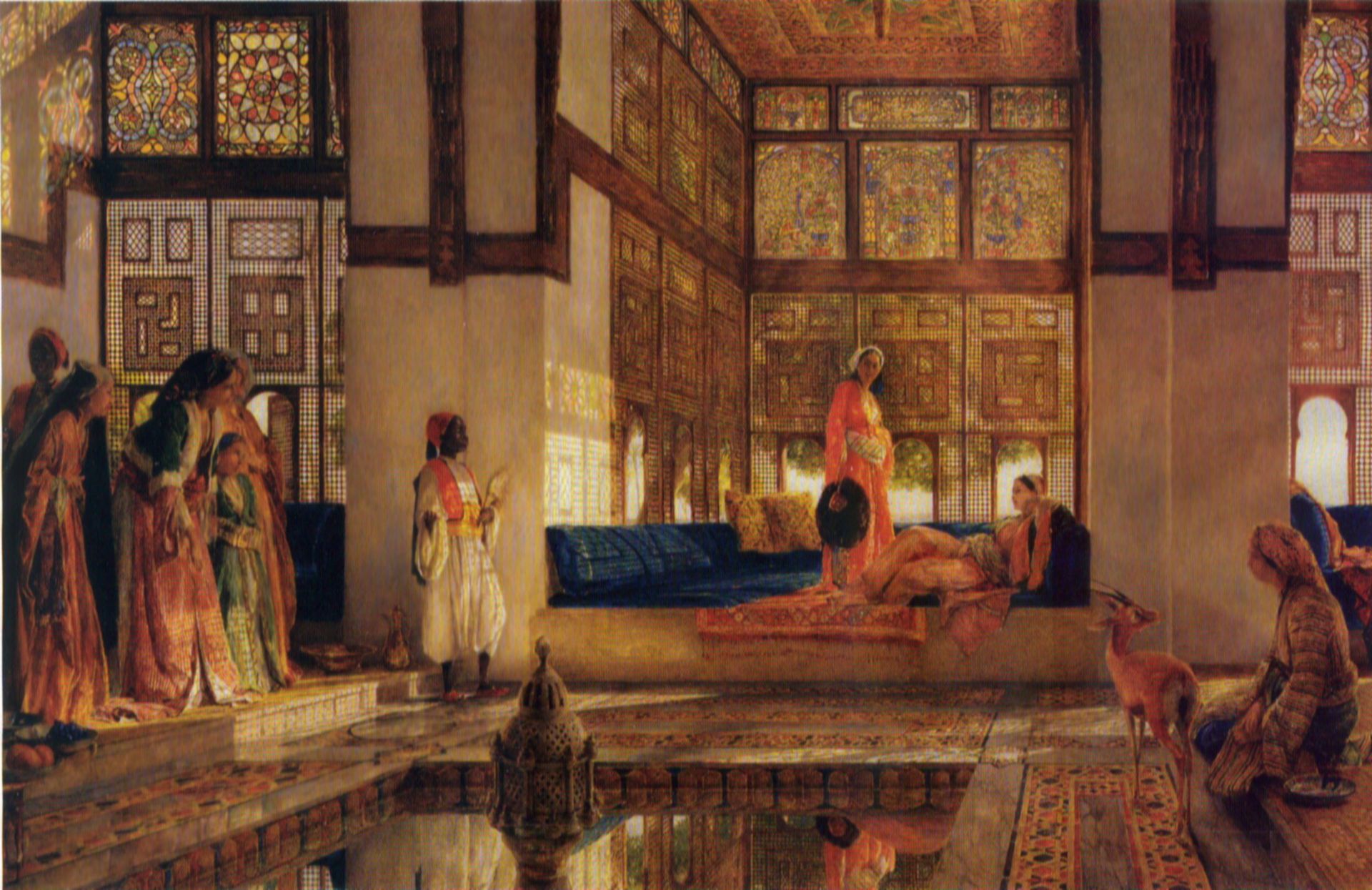
1920px-John_frederick_lewis-reception1873

Mordecai kept watch over Haddessah outside the palace wall, and just on the other side of those walls, the king’s eunuch, Hegai, was watching, too.

One young woman stood out in the multitude. She was called Esther inside the palace, and she was different. We wish we knew, we wish we had record of those days she spent in seclusion, but it might be that the decency of the Word of God has drawn a veil over them. In our culture, we think hair and make-up, and no doubt there were hundreds of hours spent on the beautification of the maidens that had been brought into the harem of the king. More to the point, however, we may imagine that the many of the skills taught and the lessons imparted were of a delicate, sensual nature. The king’s pleasure was the one purpose and the goal of every effort, every day during a year of preparation. Then night after night, one after another, each young woman would seek to make herself irresistible and thus, unforgettable.

My dear Sisters, how can we express to the Lord our God our appreciation for His promise that He loves us now, remembers us continually, will not cast us off, will never, no never, not ever forsake us? As sobering as it is to consider the reality of Esther’s abduction and its political and historical impact, there is one further consideration for us here in Cor Unum, and we will give heed to it.

A greater than Mordecai is here, and He is looking through the lattice. The Song of Solomon depicts the Beloved looking into a boudoir, and there He found no ready response to love. May we set ourselves, stir ourselves as did the Shulamite, to open to our Beloved.

Esther had Hegai, watching, choosing her, selecting her and preferring her among the others. We have the Holy Spirit of Christ, making us ready for our Lord. We refer to Cor Unum as the monastery of our hearts, and it is, but there is One watching here, and He will perfect that which concerns us if we will be attentive and honoring toward Him. He will prepare us for that day when faith becomes sight, and the object of our LOVE takes His Bride.

The Receptioin

John Frederick Lewis, 1805-1875

public domain

September 9 – What We Share

Posted by Cor Unum Abbey on September 9, 2014
Posted in: Uncategorized. Leave a comment


 1280px-Bar_Convent_Dome_Detail

What a sublime comfort it must be for the Abbess to know that the monastery does not run on her fuel!


She has probably been enclosed for decades before the responsibilities of Shepherdess come to her, and by that time she will have seen many trials swoop down upon the Abbey without seeing any substantive change in the order of things, which for monastics, is divine.


The Offices will go on, morning, noon, and night. New postulants will still be learning, training toward their novitiate, and novices toward their Clothing, no matter what befalls. The Feast Days and Fast Days remain the same. Should any of the nuns ever have to be in hospital or away for any reason, rare as that is in a cloistered monastery, she will have her own Book of Prayer with her, and she will be able to keep up, knowing what her sisters are doing virtually every moment of the day.


There was, at the Palace of King Xerxes, in the Court of the Women, one whose supervision was instrumental in the history of the King, of his new Queen, and thus, of the Jewish nation. How fascinating it would be to know WHAT WENT ON in that hotbed of feminine expectations! Who knows how much we may be romanticizing it or underestimating it or invalidating it. Whatever the days may have held, one man seems to have held Esther’s future in his hands. Let’s see if we may perhaps be able to relate to him more than we have imagined. It may be that here in Cor Unum, without Abbess or Mistress of Postulants, we might have oversight which we have hardly credited until now.


“Bar Convent Dome Detail” by Dalekyoyo (talk) – self-made. Via Wikipedia – http://en.wikipedia.org/wiki/File:Bar_Convent_Dome_Detail.jpg#mediaviewer/File:Bar_Convent_Dome_Detail.jpg

September 8 – Outside the Walls

Posted by Cor Unum Abbey on September 8, 2014
Posted in: Uncategorized. Leave a comment


degelder_esther_grt 

         The story of Esther has everything to do with one man who waited and watched outside the gates of the palace, walking daily beyond the walls of the court of the women. His name was Mordecai, and he it was who had kept Haddaseh, his niece, when her parents died. We don’t know what all the other parents of all these girls were doing, but Mordecai was there, day after day, making sure that Esther was well and perhaps above all, that she knew he still cared.


         We in Cor Unum stand inside our walls of devotion, inside the parameters of our Divine Office, whether we cannot, in honesty, manage more than an hour or so in the Word and in prayer, or for some of us, when we are able to spend many hours each day in worship and prayer and meditation before God. We are here, inside, the way that Mordecai was outside, watching, praying, having oversight over the souls of others, even though we may not be able to lift a finger to help them. When we want God’s best for them, when we are willing to watch and pray toward that end, when we, like Jacob, won’t let Him go until He blesses them, our names are inscribed in the rolls of the intercessors, for then we are on the “same page” with God the Father. He wants to bless them and give them all the future and the fullness of destiny that He has for them.


         Inside the court of the women, Hegai wanted the very best for Esther, too, and we will look much more closely at this wonder in the days ahead. Esther was surrounded with protection and blessing, and so are we, and part of all that we learn inside this Abbey is how to surround others with our prayers and love. It is good to be in Cor Unum Abbey, for this is the cloister of all fulfillment, even in those places where we have no other influence but the love in our hearts and the faith of the Lord Jesus Christ. It is enough.


 Detail from Mordecai and Esther

Aren’t de Gelder


public domain


September 5 – What Will the Day Bring?

Posted by Cor Unum Abbey on September 4, 2014
Posted in: Uncategorized. Leave a comment


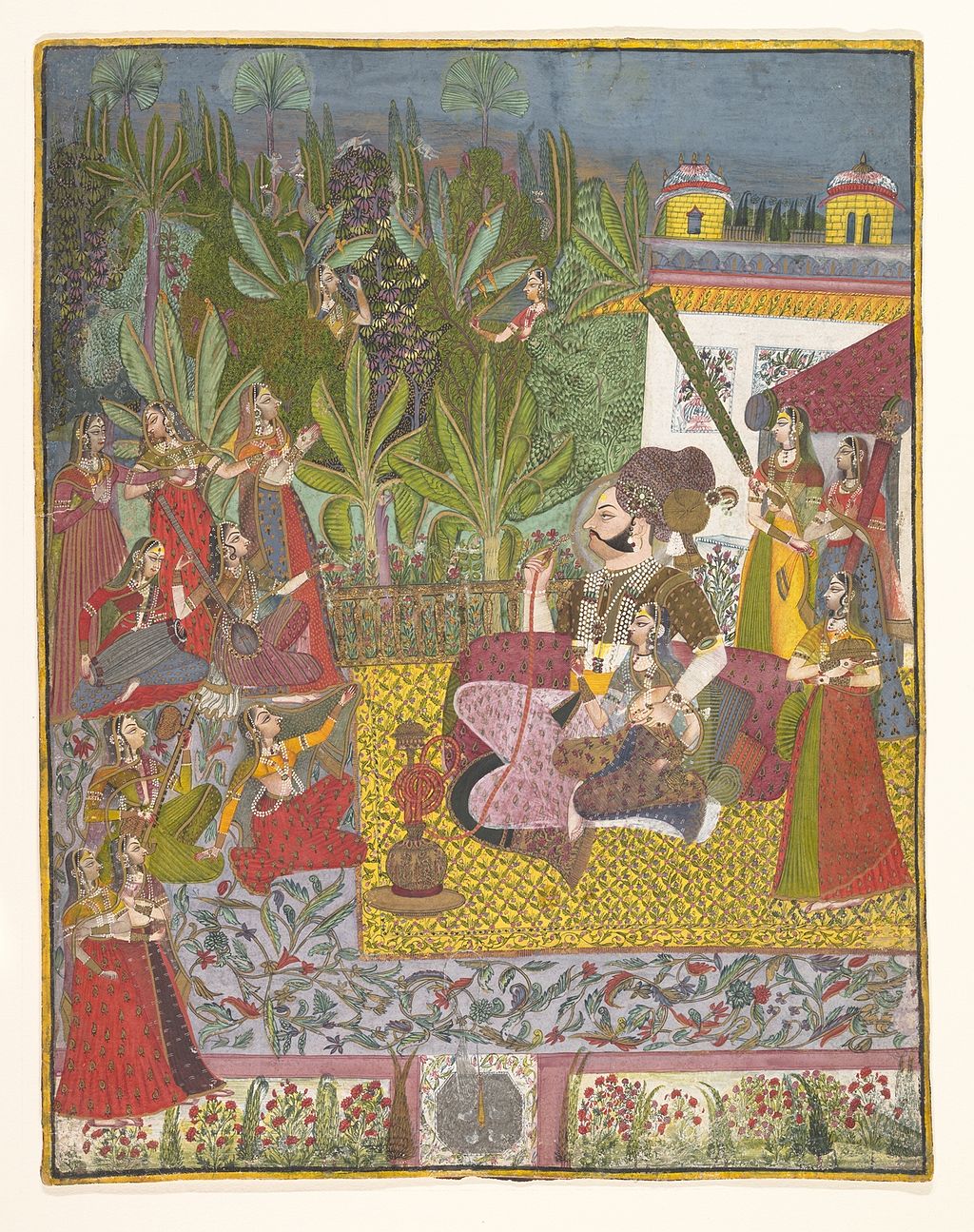
1024px-Maharaja_Bijay_Singh_in_His_Harem,_ca._1770 

         Wonder what Esther is doing this morning . . . several thousand years ago?


         There is something about having all your plans and purposes distilled – or stripped away – until there is only one thing in focus. In the harem, one overnight with the King was all there was to think about, plan toward, hope for.


         Esther was traveling toward that night as much as any of the girls, but she did have a mandate. Her uncle Mordecai had instructed her to keep her true identity a secret.


         The harem awoke as it slept, with the king in mind. How to please him . . . when to see him . . . what is he like . . . which one will he choose?


         We can see the Cor Unum correlation. Thankfully, we are not in competition here, far from it. Cor Unum is the place where we awaken to greet our Lord, where our day begins in His Presence, where we live to please Him and abide in His love, and where we close our eyes in His care . . . all despite the fact that we’ve never seen Him!


         Oh, Lord and King Jesus! . . . that we would have all our plans and purposes distilled, that all thoughts would be brought into focus on you and that all our steps would be ordered in Your Word! . . . oh, that we would have no better plans or strategies or intents of the heart than to see Your kingdom come and Your will done on earth, as it is in heaven. That we would awaken to seek You and sleep in the knowledge that You are near!   Esther-ize us where we are, King Jesus!


Maharaja Bijay Singh in His Harem, circa 1770

public domain

September 2 – Morning

Posted by Cor Unum Abbey on September 2, 2014
Posted in: Uncategorized. Leave a comment

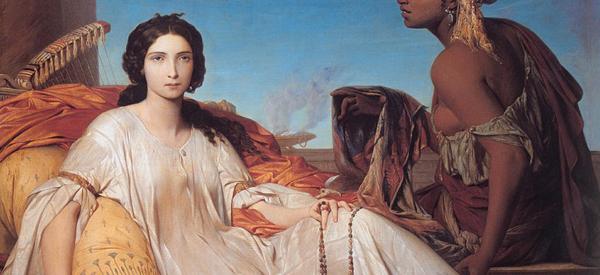
esther_for_weisberg 


It’s interesting, when we pause to think of it, that morning comes the way it does.


         In the system God chose, morning does not flash upon us; earth isn’t flat and floating in space; the sun does not “turn on” every twenty-four hours.


         We are given a little time to ourselves in the morning, every morning, a provision of time allowing us to get ready for our day . . . to spend awhile seeking the Presence and counsel of the Lord our God. We have been given TIME to worship Him.


         We may, if we chose, bone up on current events in the mornings. We may call a friend or relative and say hello every day. We may sleep in and get up just in time to catch the bus.


         Those who are married may remember the sweetness of romantic love in the early morning, when the best part of waking up was to turn and see the beloved one there beside . . . days when one hated to get on with the day not because of the job or the “to do” list, but because each had to go a separate way.


         King Xerxes was without a Queen. He may or may not have been waking up alone, but he was without, as we would say, a soul mate. There was a maiden in the court of the women, one of those that had been confiscated for the King’s consideration, the belle, one might say, of the unfolding drama. She woke up each day knowing who she was, and from what heritage she had come. Alone, but not abandoned by God. More pure than gates and bars could make her to be. Righteousness brimming over the horizon of Xerxes’ court … the righteousness that is by faith.


Painting of Esther

Francois Leon Benouville

August 29 – The Princess and the Pea

Posted by Cor Unum Abbey on August 29, 2014
Posted in: Uncategorized. Leave a comment


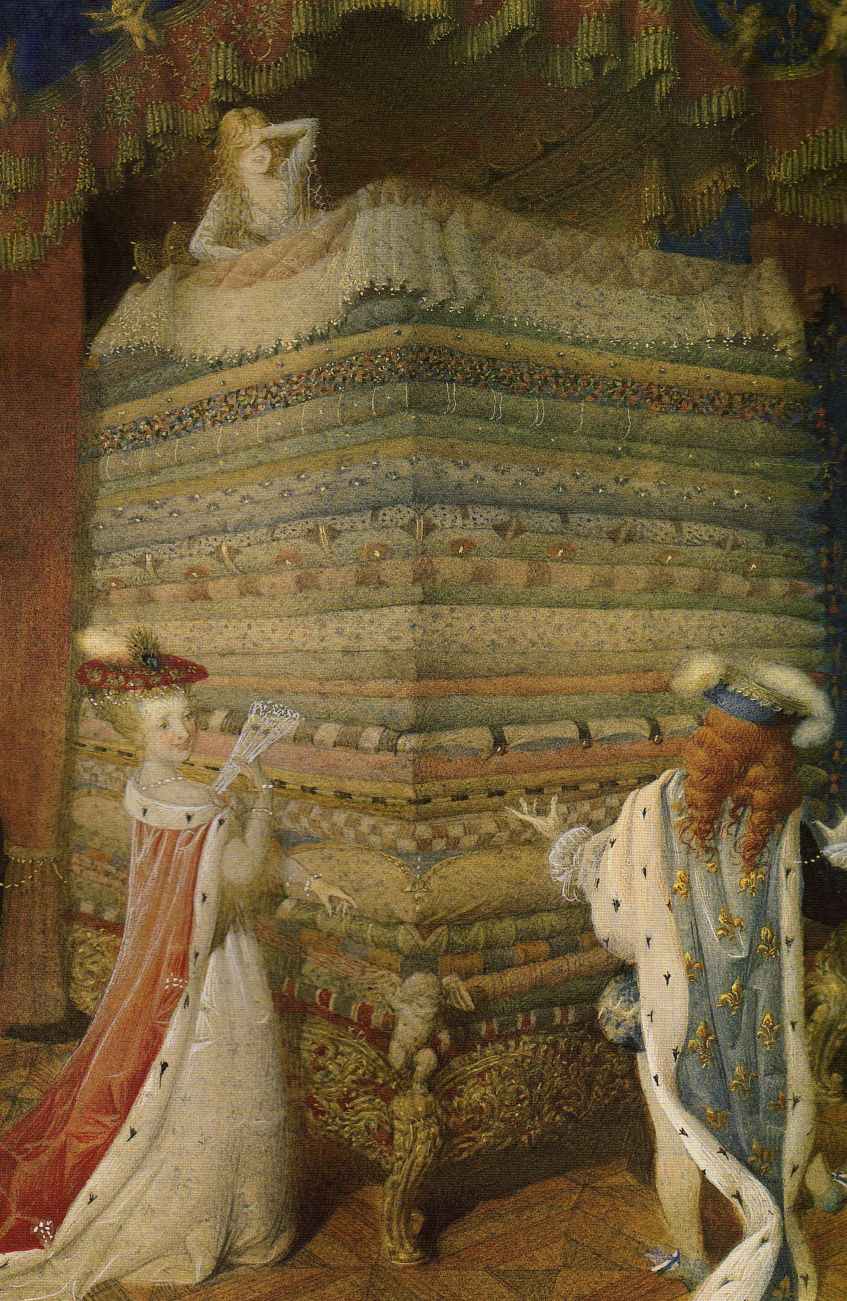
6a00e54fcf73858834019affd54f8b970b 


Remember the princess and the pea? The real princesses and postulants of Cor Unum asked themselves yesterday, “What am I given, that I must hold fast?” The storybook princess was troubled all night long by that little pellet, and we who belong in Cor Unum “cannot rest” until we know of a certainty that we value what God has given and guard and keep it steadfastly.


         It has been given to us to keep ourselves in the love of God. Look at all the “come to Me” and “draw near” Scriptures we saw yesterday!   We wear the circlets of lovingkindness and compassion on earth.


         To us it has been given to walk in the light as He is in the light, and we are those who may “know Him,” and that He is the God “who exercises kindness, justice and righteousness on earth, for in these I delight,” declares the Lord. (Jer. 9:24)


         We cannot know with certainty whether Queen Vashti thought she “could get away with” her insubordination, or if perhaps she thought she had the king tied around her queenly finger, or if she just didn’t care anymore. We do know that she made a stand before the women to the shame of her husband.


         What we know about our own royal position is that none of the above must ever apply to us, not in our homes or the heavenlies. The crime of passion, as Lord Peter Wimsey did so succinctly say, is to be joyless. Even and especially in times of marital distress, even when the pea under the mattress is a trial by fire, we are radiant with the glow of love . . . of being loved! Ironically, few things are more seductive to a man than a woman who responds to him and respects him because she is loved, instead of testing that love to the breaking point.  Thank GOD that our God has moved His breaking point beyond our selfishness and insecurity.  Thank Him all the more for the terrible discomforts they cause us, be the mattresses ever so many.


The Princess and the Pea

Edmund Dulac, public domain

August 28 – Hold Fast

Posted by Cor Unum Abbey on August 28, 2014
Posted in: Uncategorized. Leave a comment

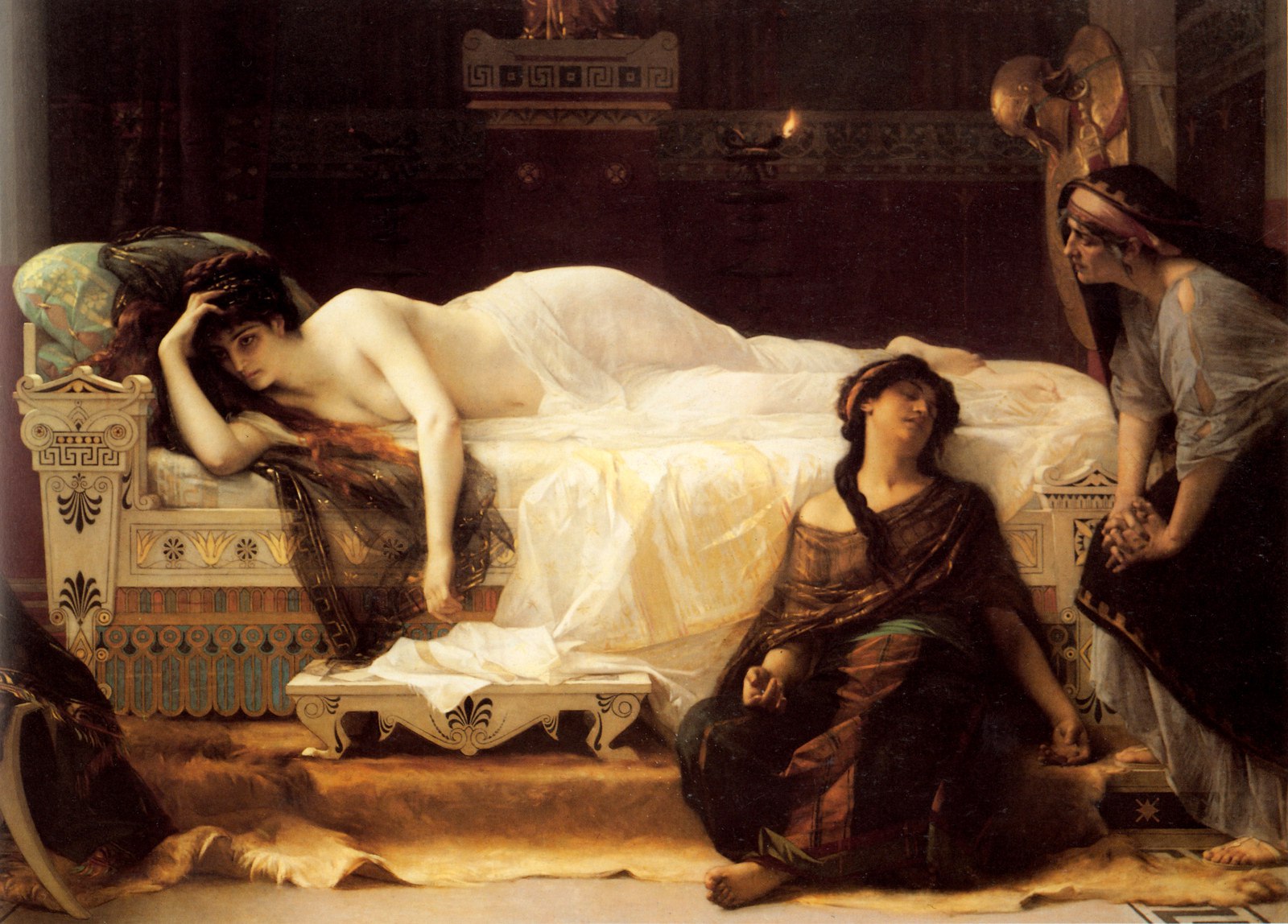
alexandre-cabanel_phèdre_1880_oil-on-canvas_286x194cm 


         Today we face the difficult question, “What might Xerxes have done?” other than to cast off Queen Vashti? We are trying to keep the culture in mind, and we must remember, too, that he was king, and it was important that he reign in his own home.

         Memucan made an interesting point: if the Queen was under no compunction to honor or obey her husband, their wives might well follow suit.

         Pouting would hardly serve the purpose, sending condescending messages of derision and shame. Not kingly. Threats at the monarchical level are dangerous things that often backfire.

         The 21st century woman would like to think he might have “loved her through it,” and so he might, but her offense was very grave, if indeed she meant to slight and embarrass him.

         One cannot help but wonder . . . what if the king had sent her his compliments . . . and asked the footman to return with her crown? Still wife, but Queen no more. Does it matter that we are crowned? Isn’t it enough to be in the harem of the king? In those days the concubines lived well, if perhaps a bit indolently.

         We remember that Vashti was giving a banquet for the ladies of the land. She was Queen and hers was the honor to do so.   Whose glory was on display at her table?

         We in Cor Unum would do well to hold in highest esteem our royal diadems, to learn all we can from Vashti and from her successor, for our King says:

“’I am coming quickly; hold fast what you have, so that no one will take your crown.” (Rev. 3:11)


Queen Vashti deposed

Ernest Norman, 1890

public domain’

August 27 – Diadems of Righteousness

Posted by Cor Unum Abbey on August 27, 2014
Posted in: Uncategorized. Leave a comment


QueenVashtiRefusingthePresenceofKingAhasuerus1880


    Imagine . . . one of the most powerful potentates of all time has sent for his wife, the crowned Queen Vashti. He is banqueting with nobles from all his vast provinces. She refuses to come.

         Let’s take a look at some invitations that might be personally familiar to us.

Come, you children, listen to me; I will teach you the fear of the LORD. (Psalm 34:11)

Come, let us worship and bow down, Let us kneel before the LORD our Maker. (Psalm 95:6)

Serve the LORD with gladness; Come before Him with joyful singing. (Ps. 100:2)

“And it shall be from new moon to new moon And from sabbath to sabbath, All mankind will come to bow down before Me,” says the LORD. (Is. 66:23)

Therefore let us draw near with confidence to the throne of grace, so that we may receive mercy and find grace to help in time of need. (Hebrews 4:6)

“Come to Me, all who are weary and heavy–laden, and I will give you rest.” (Mt. 11:28)

Draw near, O nations, to hear; and listen, O peoples! Let the earth and all it contains hear, and the world and all that springs from it. (Is. 34:1)

Draw near to God and He will draw near to you. Cleanse your hands, you sinners; and purify your hearts, you double-minded. (James 4:8)

We are the monastic women of Cor Unum. When the Lord bids us come, we appear before Him in diadems of righteousness.


Queen Vashti

Alexandre Cabanel, public domain


August 26 – Advisory Counsel

Posted by Cor Unum Abbey on August 26, 2014
Posted in: Uncategorized. Leave a comment

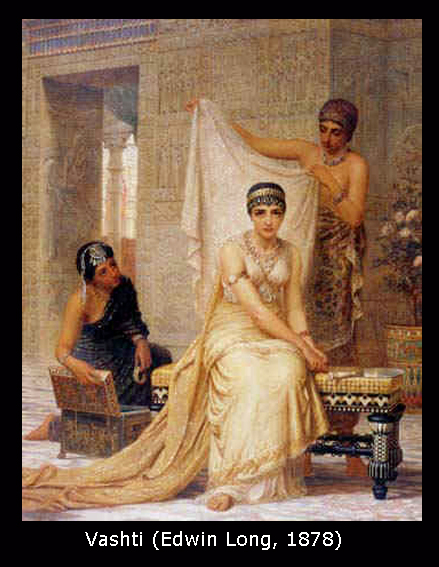
vashti


         Vashti did not come, and one of the princes in attendance went right to the heart of the matter, as it concerned the honor of men.


         Vashti’s insubordination would become known, resulting in the wide-spread subversion of submission in the land. If the queen did not have to submit to the king (who had put the crown on her head,) certainly no other women would feel compelled to submit to their husbands.


         We are learning to think in Cor Unum.


         Vashti was made an example to all the women of the King’s provinces; she was deposed as queen, and an edict went out in ALL THE LAND that men were masters in their own homes.


         Was there another course of action open to Xerxes? What would have “worked,” and served every purpose? The edict served the purpose of the men of Persia, and it would appear that it serves them still.


         Suggestions? Today you can, as it were, serve as advisers to the king.


Queen Vashti by Edwin Long

public domain

August 25 – Very Interesting

Posted by Cor Unum Abbey on August 25, 2014
Posted in: Uncategorized. Leave a comment

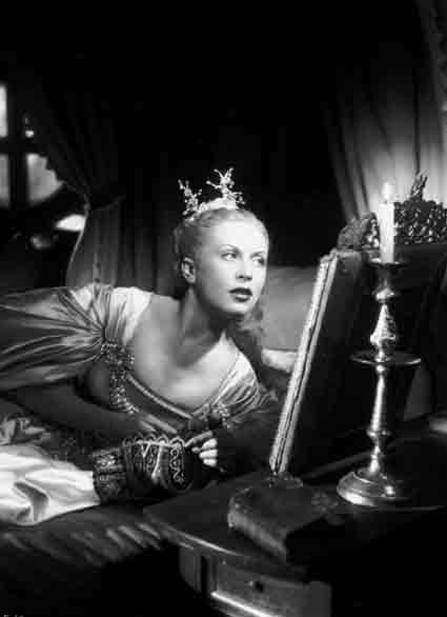
belle

         The Book of Esther poses some of the most interesting questions in Scripture, including these:

          WHAT made Vashti think she could do what she did and get away with it?

          WHAT made Esther stand out in Hegai’s estimation among all the loveliest ladies in the land?

          King Xerxes gave a state dinner that went on for seven days, and everyone was invited, both high and low in the capitol city of Susa. It took place in an enclosed garden in the palace, which would seem to have been a rather large garden, given the guest list.   Wine flowed freely and without restriction, each guest served in a golden goblet, each goblet of unique, handcrafted design. Scripture specifically mentions that no one was required to drink, an interesting sidebar, but that the King’s liberality was on display. It was a great show of his wealth and goodwill. During that time, Queen Vashti was hosting a banquet herself, for the women. On the seventh day, the King sent for Queen Vashti to appear before the nobles of his land, because she was a beautiful woman, but she would not come.  Various theories have been put forth:

          Perhaps she did not want to leave her guests and good manners forestalled her. Maybe she didn’t want to be paraded before a bunch of men who had been feasting and drinking for seven days.  That’s reasonable, but, understanding the culture, better to show up than to get booted out.  Did Esther take the place of a noble, chaste queen or a stubborn, obstinate woman?  If a king puts a crown on your head, does he have the right to ask you to wear it at a banquet appearance? Food for thought, and the book of Esther says not one word to us about Vashti’s response when she was deposed.

         However … there is a great deal said about another “queen,” another favorite. The nation of Israel, the Lord’s choice vine, His own, on display for all to see. When Israel went through the land, humble, trusting, calling on the Name of the Lord, and obedient to His commands, nations trembled and came out against her at their own peril. Israel was on her way to God’s promise.

         Whatever Vashti’s reason for declining, here in Cor Unum our delight is to come at the Lord’s bidding, to appear before His throne, and we have a beauty – oh joyous thought, a beauty that is increasing, not diminishing! – that has been put on display. It is the loveliness of Christlikeness, and we are destined to keep our crown.

          Some have said that Xerxes wanted her to appear in her royal crown, as the Scripture says, and ONLY her royal crown.  Beside the fact that this is a BIG grammatical surmising, beside the fact that, were it so, Scripture would very likely have said so, clearly, it was truly not likely in that culture.  The women at home (whom we see were taken into consideration when judgment was passed) would have applauded Vashti’s refusal, and their menfolk would have had a real problem on their hands if they had made an example of her in that instance.

           We have to learn to think and pray as we read God’s Word, and certainly here in Cor Unum.  If we are a nation of sheep, let it be in the Lord’s pasture, not those who graze themselves over a cliff.

         Sometimes, we just cannot know for certain, but we do wonder, what was the intrinsic difference between these two women?


Still from Belle et la Bete

public domain


Posts navigation

← Older Entries
Newer Entries →
  • Recent Posts

    • A Sea Change
    • La Alcaldesa
    • But, How?
    • In at the Deep End
    • December 5 – “Savior”
  • Recent Comments

    safelake's avatarsafelake on April 28 – “. . . With Y…
    safelake's avatarsafelake on March 6 – D. T. M. (Divine Tim…
    Cor Unum Abbey's avatarCor Unum Abbey on February 26 – What Nuns B…
    di french's avatardi french on February 26 – What Nuns B…
    Cor Unum Abbey's avatarCor Unum Abbey on February 26 – What Nuns B…
  • Archives

    • August 2024
    • February 2024
    • December 2018
    • January 2017
    • March 2016
    • November 2015
    • September 2015
    • April 2015
    • March 2015
    • February 2015
    • January 2015
    • November 2014
    • October 2014
    • September 2014
    • August 2014
    • July 2014
    • June 2014
    • May 2014
    • April 2014
    • March 2014
    • February 2014
    • January 2014
    • June 2013
    • May 2013
  • Categories

    • "Dieu et Mon Droit"
    • 40 Days of Prayer for America
    • devotional life
    • devotional material
    • monasticism
    • personal monasticism
    • Prayer for the oppressed
    • purpose in life
    • Spiritual disciplines
    • Spiritual warfare, Prayer for loved ones, Prayer for the nation
    • Thanksgiving
    • The Coronation of Elizabeth II
    • Uncategorized
  • Upcoming Events

  • Meta

    • Create account
    • Log in
    • Entries feed
    • Comments feed
    • WordPress.com
Blog at WordPress.com.
Cor Unum Abbey
Blog at WordPress.com.
  • Subscribe Subscribed
    • Cor Unum Abbey
    • Already have a WordPress.com account? Log in now.
    • Cor Unum Abbey
    • Subscribe Subscribed
    • Sign up
    • Log in
    • Report this content
    • View site in Reader
    • Manage subscriptions
    • Collapse this bar
 

Loading Comments...