
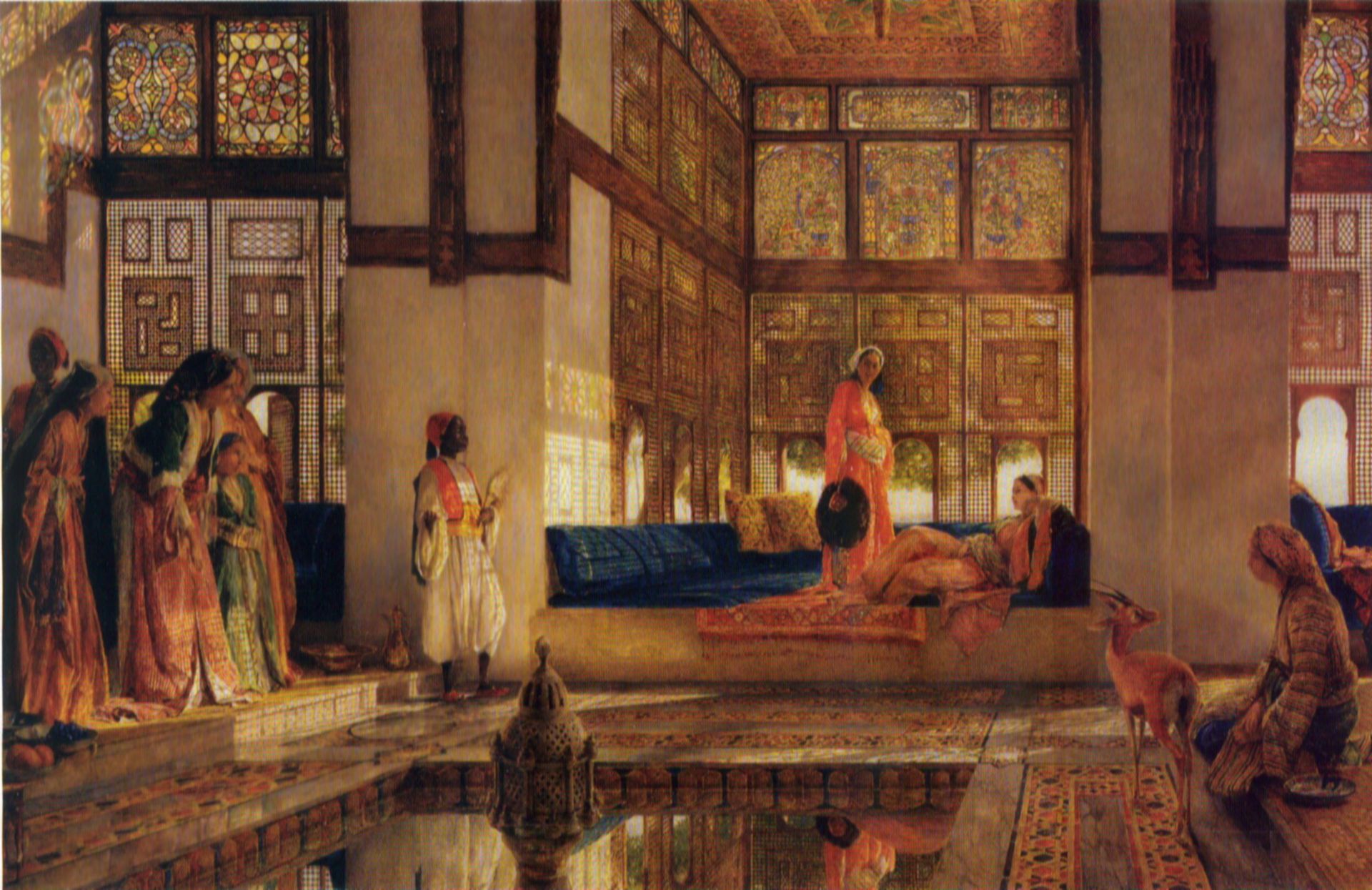
Mordecai kept watch over Haddessah outside the palace wall, and just on the other side of those walls, the king’s eunuch, Hegai, was watching, too.
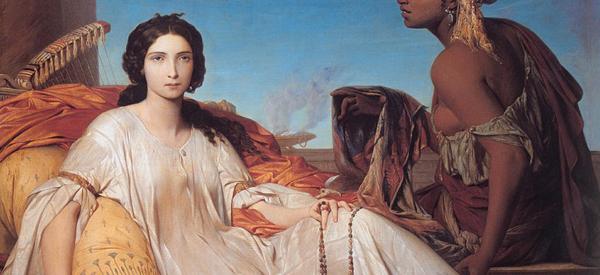
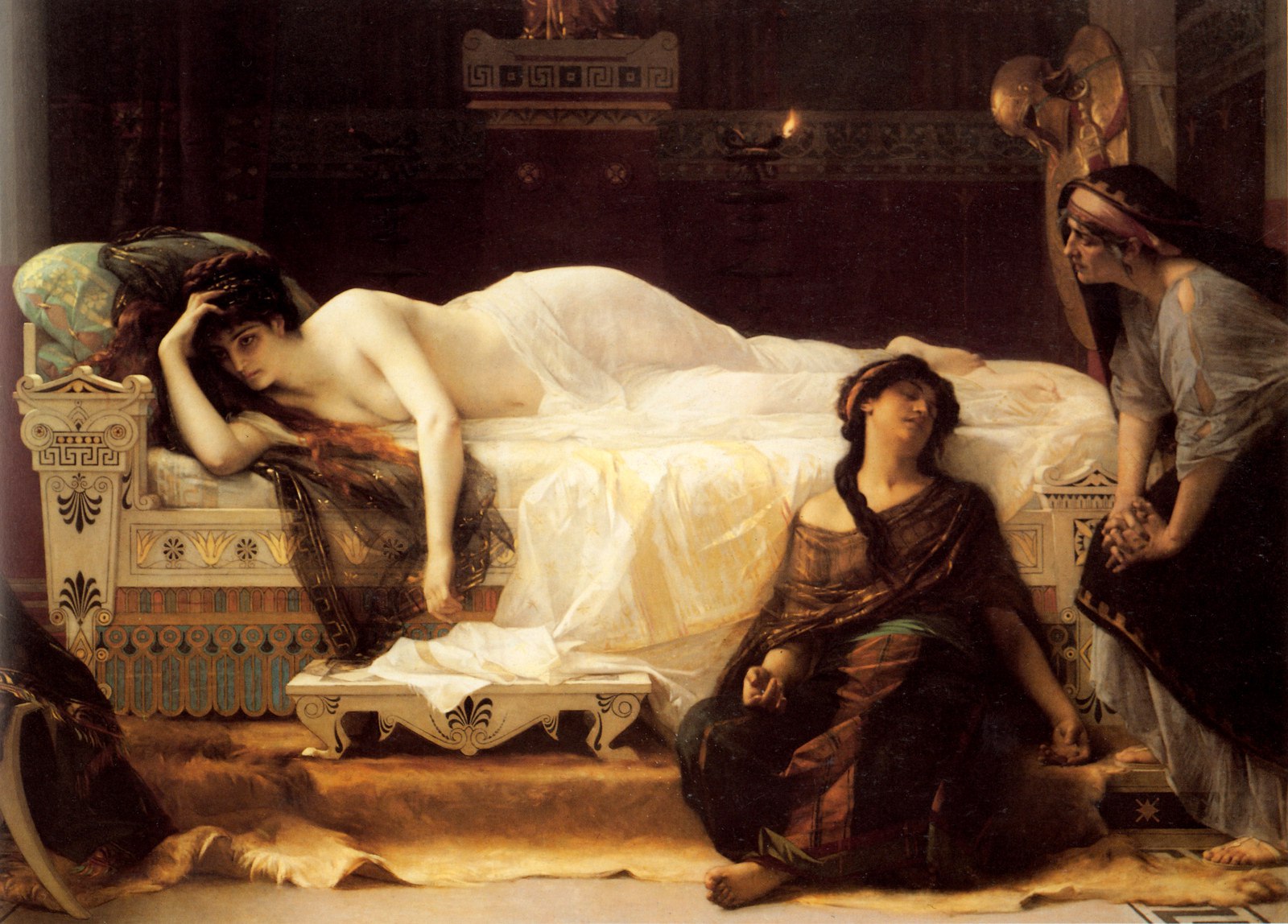
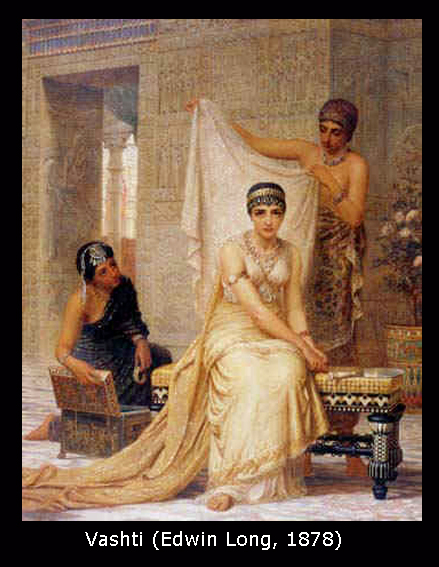
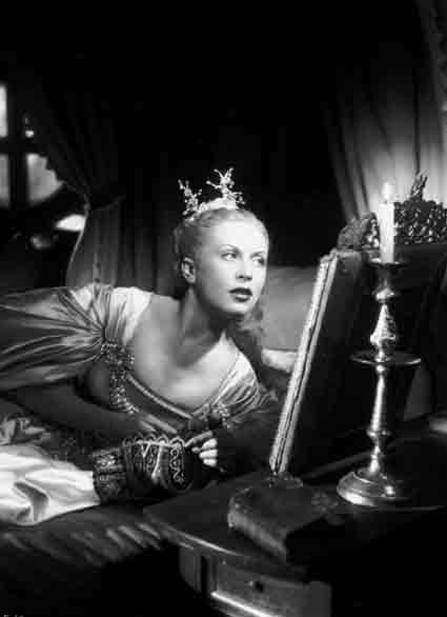
One young woman stood out in the multitude. She was called Esther inside the palace, and she was different. We wish we knew, we wish we had record of those days she spent in seclusion, but it might be that the decency of the Word of God has drawn a veil over them. In our culture, we think hair and make-up, and no doubt there were hundreds of hours spent on the beautification of the maidens that had been brought into the harem of the king. More to the point, however, we may imagine that the many of the skills taught and the lessons imparted were of a delicate, sensual nature. The king’s pleasure was the one purpose and the goal of every effort, every day during a year of preparation. Then night after night, one after another, each young woman would seek to make herself irresistible and thus, unforgettable.
My dear Sisters, how can we express to the Lord our God our appreciation for His promise that He loves us now, remembers us continually, will not cast us off, will never, no never, not ever forsake us? As sobering as it is to consider the reality of Esther’s abduction and its political and historical impact, there is one further consideration for us here in Cor Unum, and we will give heed to it.
A greater than Mordecai is here, and He is looking through the lattice. The Song of Solomon depicts the Beloved looking into a boudoir, and there He found no ready response to love. May we set ourselves, stir ourselves as did the Shulamite, to open to our Beloved.
Esther had Hegai, watching, choosing her, selecting her and preferring her among the others. We have the Holy Spirit of Christ, making us ready for our Lord. We refer to Cor Unum as the monastery of our hearts, and it is, but there is One watching here, and He will perfect that which concerns us if we will be attentive and honoring toward Him. He will prepare us for that day when faith becomes sight, and the object of our LOVE takes His Bride.
The Receptioin
John Frederick Lewis, 1805-1875
public domain



 Cor Unum Abbey
