
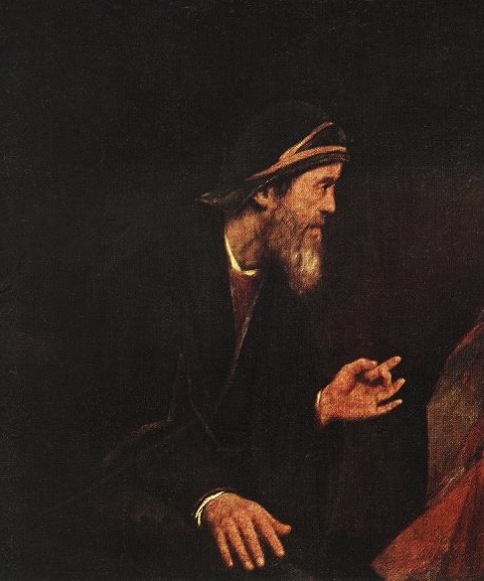
The story of Esther has everything to do with one man who waited and watched outside the gates of the palace, walking daily beyond the walls of the court of the women. His name was Mordecai, and he it was who had kept Haddaseh, his niece, when her parents died. We don’t know what all the other parents of all these girls were doing, but Mordecai was there, day after day, making sure that Esther was well and perhaps above all, that she knew he still cared.
We in Cor Unum stand inside our walls of devotion, inside the parameters of our Divine Office, whether we cannot, in honesty, manage more than an hour or so in the Word and in prayer, or for some of us, when we are able to spend many hours each day in worship and prayer and meditation before God. We are here, inside, the way that Mordecai was outside, watching, praying, having oversight over the souls of others, even though we may not be able to lift a finger to help them. When we want God’s best for them, when we are willing to watch and pray toward that end, when we, like Jacob, won’t let Him go until He blesses them, our names are inscribed in the rolls of the intercessors, for then we are on the “same page” with God the Father. He wants to bless them and give them all the future and the fullness of destiny that He has for them.
Inside the court of the women, Hegai wanted the very best for Esther, too, and we will look much more closely at this wonder in the days ahead. Esther was surrounded with protection and blessing, and so are we, and part of all that we learn inside this Abbey is how to surround others with our prayers and love. It is good to be in Cor Unum Abbey, for this is the cloister of all fulfillment, even in those places where we have no other influence but the love in our hearts and the faith of the Lord Jesus Christ. It is enough.
Detail from Mordecai and Esther
Aren’t de Gelder
public domain


 Cor Unum Abbey