
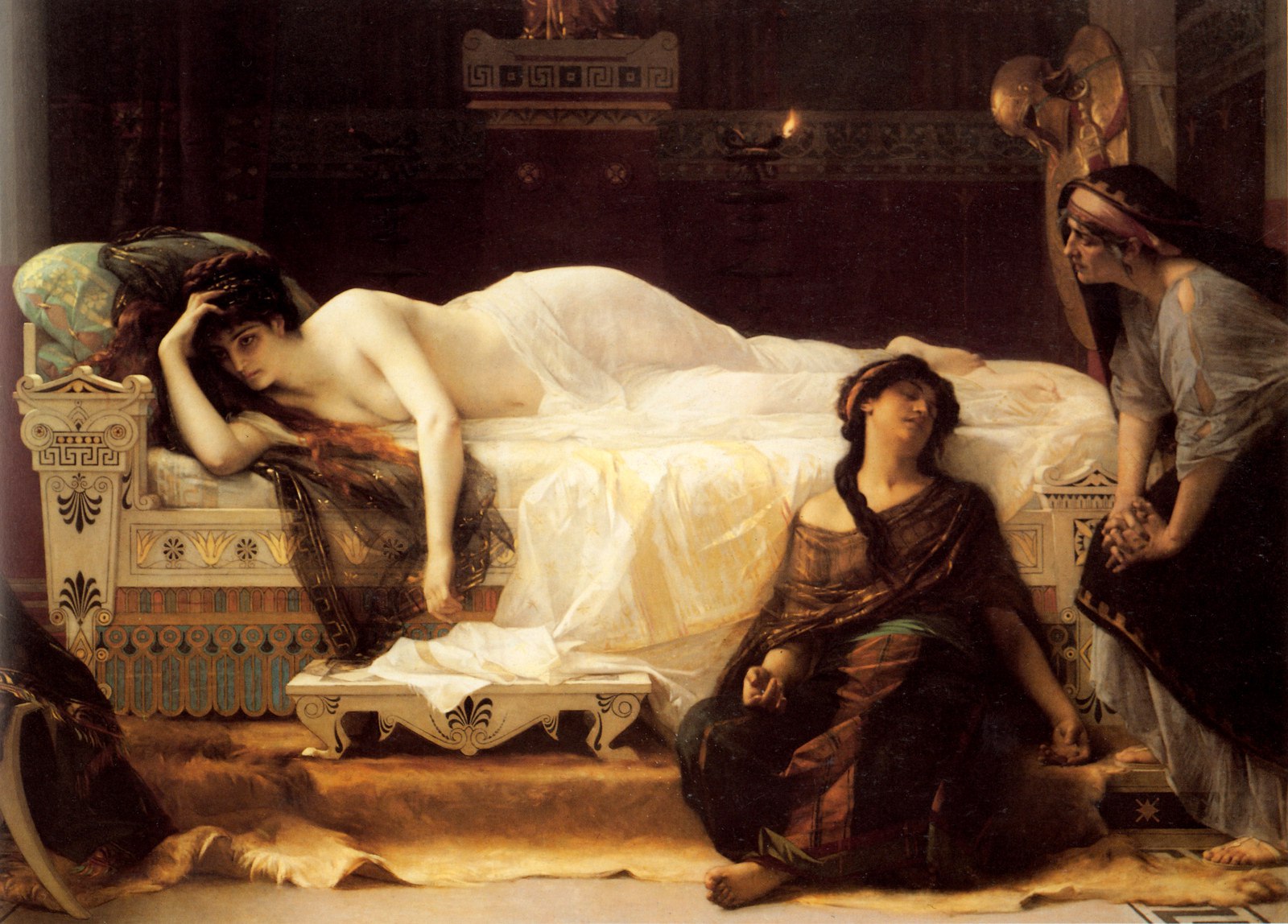
Today we face the difficult question, “What might Xerxes have done?” other than to cast off Queen Vashti? We are trying to keep the culture in mind, and we must remember, too, that he was king, and it was important that he reign in his own home.
Memucan made an interesting point: if the Queen was under no compunction to honor or obey her husband, their wives might well follow suit.
Pouting would hardly serve the purpose, sending condescending messages of derision and shame. Not kingly. Threats at the monarchical level are dangerous things that often backfire.
The 21st century woman would like to think he might have “loved her through it,” and so he might, but her offense was very grave, if indeed she meant to slight and embarrass him.
One cannot help but wonder . . . what if the king had sent her his compliments . . . and asked the footman to return with her crown? Still wife, but Queen no more. Does it matter that we are crowned? Isn’t it enough to be in the harem of the king? In those days the concubines lived well, if perhaps a bit indolently.
We remember that Vashti was giving a banquet for the ladies of the land. She was Queen and hers was the honor to do so. Whose glory was on display at her table?
We in Cor Unum would do well to hold in highest esteem our royal diadems, to learn all we can from Vashti and from her successor, for our King says:
“’I am coming quickly; hold fast what you have, so that no one will take your crown.” (Rev. 3:11)
Queen Vashti deposed
Ernest Norman, 1890
public domain’


 Cor Unum Abbey