In September of the year 1847, Harvard University was animated beyond its somber boundaries by the arrival of a Professor, the Chair of Natural History at Lawrence Scientific School. This gentleman didn’t walk, talk, or dress like the other profs, and he certainly didn’t teach like them. This was the famous Louis Agassiz, naturalist, and as was written of him, “good citizen … beloved by all.”
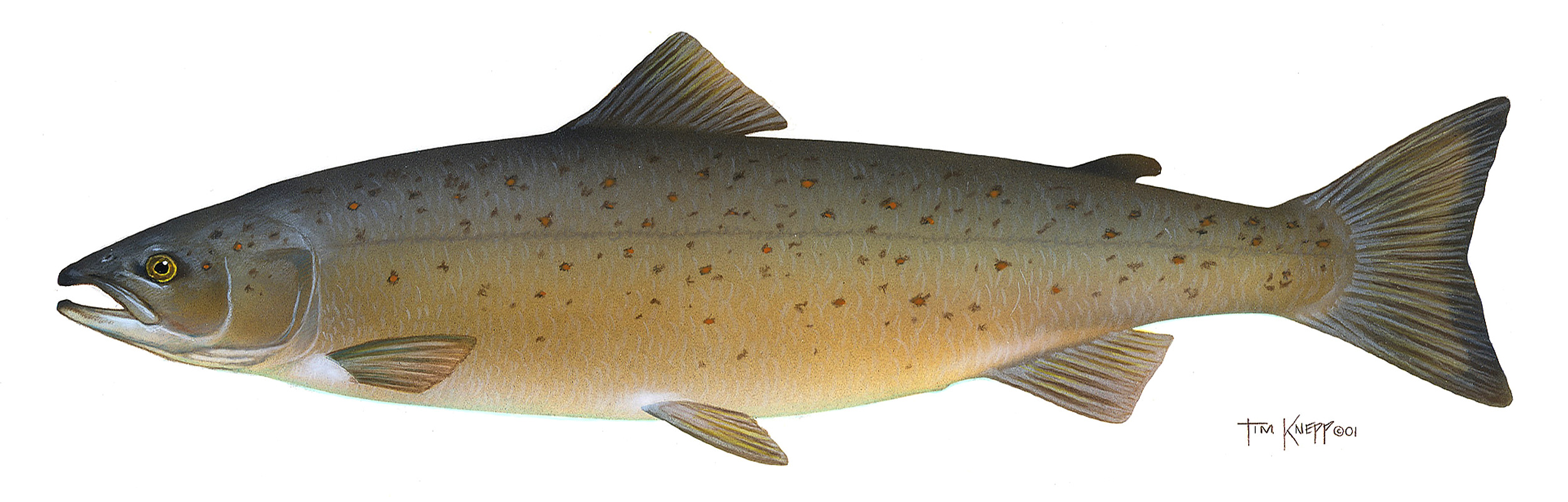
In his book, Brave Companions, David McCullough quotes Samuel Scudder, later a well-respected entomologist in his own right, from his memorable experience in Professor Agassis’ class. When interviewing students for his class, he encouraged them to study nature, not books. He would ask them when they would be ready to begin, and if they said, “Now,” he would personally select from a pickling container a fish, usually a long specimen, and place it on a tray in front of the student with the instruction to “Look at the fish.”
Professor Agassiz would busy himself, leave the classroom – sometimes for the rest of the day! Here is Samuel Scudder’s account:
“In ten minutes I had seen all that could be seen in that fish … Half an hour passed – an hour – another hour; the fish began to look loathsome. I turned it over and around: looked it in the face – ghastly; from behind, beneath, above, sideways, at three quarters view – just as ghastly. I was in despair.
“I might not use a magnifying glass; instruments of all kinds were interdicted. My two hands, my two eyes, and the fish; it seemed a most limited field. I pushed my finger down its throat to feel how sharp the teeth were. I began to count the scales in the different rows, until I was convinced that that was nonsense. At last a happy thought struck me – I would draw the fish, and now with surprise I began to discover new features in the creature.”
The Professor returned, heard all that Mr. Scudder had to say about his findings … and told him to look again.
“I was piqued; I was mortified. Still more of that wretched fish! But now I set myself to my task with a will, and discovered one new thing after another. … The afternoon passed quickly, and when, toward its close, the professor inquired: ‘Do you see it yet?’
“No,” I replied, “I am certain I do not, but I see how little I saw before.”
Through the night, the fish was on Scudder’s mind, and the next day he reported more revelation to his Professor. “Of course, of course!” said Agassiz, and again, “Look, look, look! Oh, look at your fish!”
Three days passed. The fish was before the student, and the student looked at the fish. He later wrote that those days and that lesson was of incalculable value, life-changing, never to be forgotten or discarded.
When we open the Word of God, when we pray for understanding and wisdom, when we look to see Jesus, and continue to behold Him when we close the covers, our lives will change. That will ever be the goal of our Divine Reading.
public domain


 Cor Unum Abbey