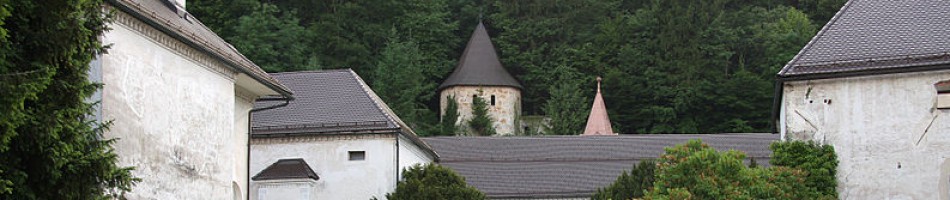

Here in this Abbey, the monastery of the heart, we are practicing the art of transformation. The Apostle Paul wrote in the first verses of Romans 12.
“Therefore I urge you, brethren, by the mercies of God, to present your bodies a living and holy sacrifice, acceptable to God, which is your spiritual service of worship. And do not be conformed to this world, but be transformed by the renewing of your mind so that you may prove what the will of God is, that which is good and acceptable and perfect.”
There have lived countless monastic men and women on the earth, by our definition; that is, multitudes have lived before God in the fulness of His provision of life in Christ Jesus. As we have said, no one can live that life for us, but those trained in spiritual discipline have great help for us, and we are exploring one of those methods today. Inside the cloister it is called Lectio Divina, and it is a critical aid toward our goal of Christlikeness and the pleasure of the Presence of the Lord.
Had we entered an earthly Abbey on January 1, by this time it is likely that we would have been given a short passage from the Scripture or perhaps from some worthy spiritual writing in order to start us out on this monastic version of The College Bowl, Lectio Divina, or Divine Reading. The ancient scholars and shepherds of monasticism are referred to as Doctors of the faith. They are the Hall of Spiritual Fame graduates in theology and wisdom, and each new postulant is an inductee into a spiritual graduate program. So, too are we here in Cor Unum, not to become smarter, but to grow wise and above all that we should know God as we are meant to know Him … as He wants to be known. (John 17:3)
In the practiced of Lectio Divina, the monastic considers a Scriptural passage and allows it to make its own impression upon the understanding. Time is taken, and a sensible template is put into effect. Hundreds of Bible scholars and well-known Christians have published their own versions of Lectio, and we will look at just a few of them. The idea and the purpose is ever to come to know the mind and heart of God and to know ourselves in His Light, not only what we were, but what we are meant to be in Christ Jesus. Remember how the writer to the Hebrews revealed that the Word of God is “living and active”? As such, it is wonderfully powerful to transform us as we read it interactively with the Lord, the Spirit.
We will spend a few days exploring this beautiful, life-changing practice, but first, an illustration. We will need a few clever students, a remarkable professor, and a fish …
John 17:3 … “And this is eternal life, that they may know You, the only true God, and Jesus Christ whom You have sent.”
Hebrews 4:12 … For the word of God is living and active and sharper than any two-edged sword, and piercing as far as the division of soul and spirit, of both joints and marrow, and able to judge the thoughts and intentions of the heart.
Catherine of Sienna, Manetti, public domain


 Cor Unum Abbey