Wise counselors often instruct applicants to the monastery in daily practices that will help them start toning their spiritual muscles before the day of their entrance. No matter how strong the desire to pursue a monastic life, the reality of enclosure and the Divine Office is one of the most abrupt lifestyle alterations around.
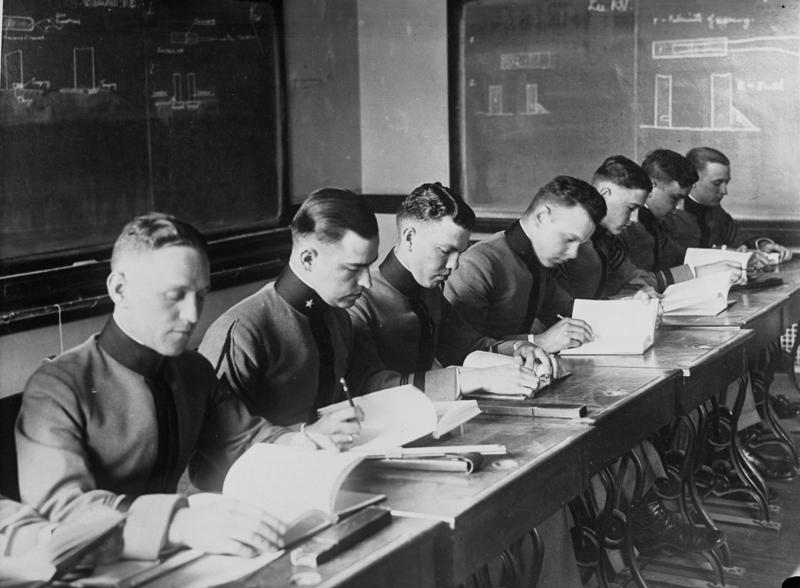
Just as young men and women do not enter West Point or Annapolis with no more than good intentions toward physical fitness, monastic applicants must go into training while they await the day of their admittance. Once inside, the intransigence of a traditional Benedictine or Carmelite order might unravel the stamina of a young cadet!
Applicants will be given a copy of the rule of the house, of St. Benedict or St. Claire, for instance, to read and study, and they will be expected to keep one or two regular seasons of prayer at home before they enter, as well as regular, and probably daily, attendance at mass, if possible.
All of this, three times all of this, could not compare with the rigors that await them.
All of this, three times all of this, could not compare with the elation and the satisfaction that the vocational monk or nun experiences when even their small efforts begin to bear fruit in “recollection,” the constant realization of the Presence of God.
In the traditional contemplative house, six or seven Offices are chanted daily. Meals, we have noted, are taken in silence and the atmosphere is charged with spiritual exhortation. There will be at least one period allowed for private meditation and one for private reading. Central to all of this will be the Eucharist meal, the Lord’s Supper.
We do not have the aid of rule or superior or enclosure, but we may consider the wisdom of taking our own sacred survey of those things we would like to incorporate into our devotional lives. If time and circumstance allowed, within the framework of marriage, children, handicap, or career, what elements would we like to make sure were not overlooked? Thanksgiving? Memorization? Singing? Daily personal confession and memorial of Jesus’ atonement?
We ask ourselves this probing question: What part of a joyous, worshipful life of devotion and of waiting upon the Lord do we want to go without?
We might make a long list, as long as we wish. Be extravagant! We might include items that would appear to be impossible to achieve or maintain, such as a daily session or two of silent devotion, daily intercession beyond the scope of our families, fasting and for some, even a form of perennial fasting, and of course, a life of “conversatio,” of commitment to change for Jesus’ sake. If there are things we cannot fit into each day, we could do as others have done and spend a “Half Day” with the Lord once a week or once a month for longer periods of worship or of taking stock in spiritual matters, or for studying topically for a few hours. We can choose an annual fast such as “no eating between meals” or praying on our knees daily, and commit that little fast to special prayer. We can read through the Bible making note of all the verses we find relative to healing or salvation or hope – that’s a great subject for a year’s worth of focus.
Be encouraged to take time, right away if you can, and make your list. Write down all you want to do, the things you know you should do, and be sure to include the things you don’t see how you ever will be able to do! If the things we list ring true and important in our hearts, let’s humble ourselves to start with one, even just one, item that can be incorporated into our at-home worship. Over time, if “wishing” doesn’t make things happen, steady “conversatio” will.
Here in Cor Unum Abbey, we can move all those extravagant dreams of “effectual, fervent prayer” and unceasing worship into the fabric of our lives, if we don’t turn back in the pursuit. After all, we are going to be here awhile.
West Point Classroom, German Federal Archives, by permission
Aktuelle-Bilder-Centrale, Georg Pahl (Bild 102)


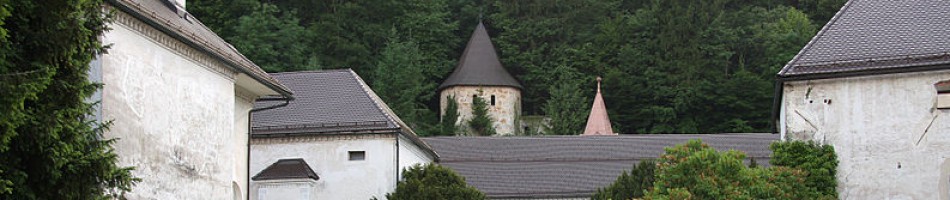
 Cor Unum Abbey