In most houses of monasticism, decorations are kept at a minimum. The eyes are curious, says the Novice Mistress, and they will feast on many things rather than humbling themselves to let the heart gaze upon the Lord.
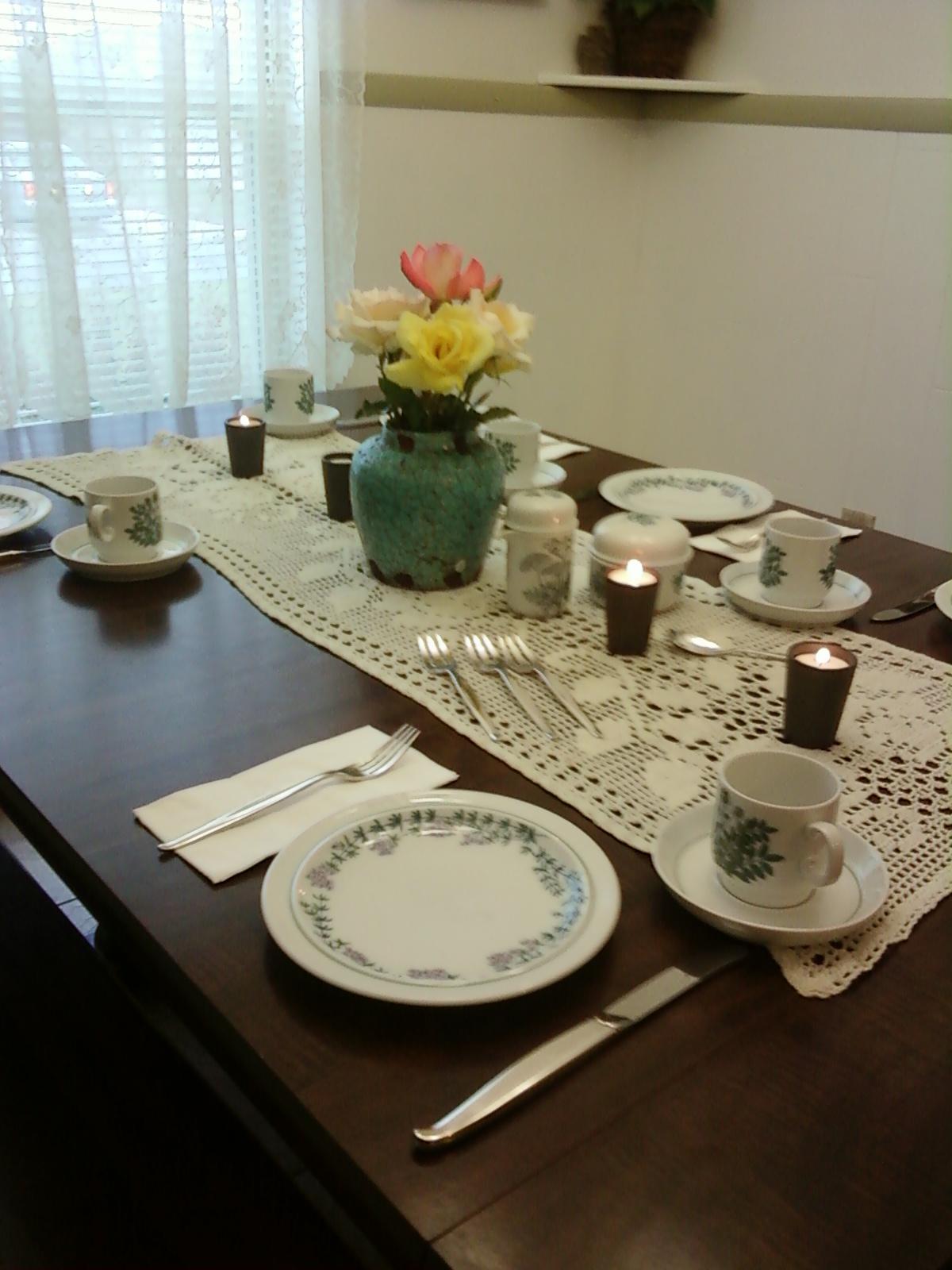
There was, at one time, in every Carmelite refectory, at the head table where the Abbess sits, a very distinct knickknack. The Abbess’s table was “decorated” by a human skull. Vatican II changed many things, and this practice may have gone the way of some of them, but its monastic understanding is of interest to us.
This centerpiece gave most new postulants pause! From their first meal, at every meal, and on a small table in miniature replica in their cells, the Sisters were confronted by the reminder that we are not destined to live forever on this planet. Rather than a grim representation of the worm of death, the skull served to help the postulant begin to think in terms of the shortness of life in comparison with the length of eternity. The fleeting glory of the earth and of the flesh would begin to be subject to the nearness of the kingdom of heaven. Her mind would begin to transform, to have an eternal perspective, and transformation is the rule of every day and every custom.
In many traditional refectories, meals are eaten in silence. There is no chatty atmosphere to obfuscate the cranial stare. One nun observed that she waited in vain for a special feast when talking would be permitted, only to find that those events come on no other occasions than the Jubilee Anniversaries of the professed nuns!
The refectory isn’t completely without voice throughout mealtime, however. An “hebdomadaria” is assigned who, at times and in a strong, clear voice, reads pages from uplifting texts and homilies. It isn’t The Shopping Network, on in the background, but the nuns grow to love and appreciate this inspiriting accompaniment to their meals.
The staring head was there to remind each Sister that the day would come when her place would be taken by another. The communal silence would continue, the meals might remain much the same, the reader would still clear her voice and begin, but each nun would vacate her seat one day, and vacate her flesh as well.
To the nuns, they think heaven is monastic in this regard, that every intention and every act of every moment is for and toward the Lord God. With that in mind, even as they feed their bodies in life, they travel in silence toward the real joys they will know after death.
Few if any of us have a skull we can use as a centerpiece, but as we sat down to a meal with the Lord yesterday, let’s see if today we can dine on these words at least once.
2 Corinthians 5:8 … ” . . . we are of good courage, I say, and prefer rather to be absent from the body and to be at home with the Lord. (NASB)
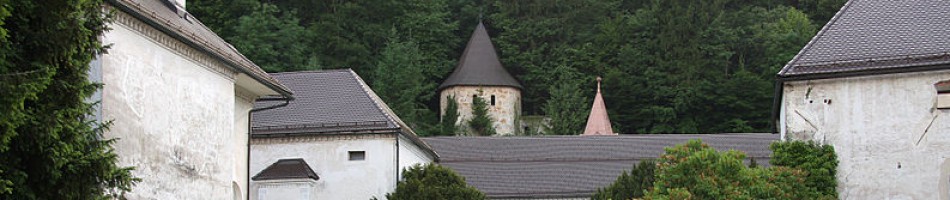
Cor Unum Abbey, photo


 Cor Unum Abbey